
Holiday self-care for drug counselors starts with boundaries, short resets, and a plan you can keep when the week gets heavy.
The holiday season is often painted as a time of joy, celebration, and togetherness, which is why holiday self-care for counselors is vital. However, for many, it can also be a period filled with stress, anxiety, and emotional turmoil. This is especially true for drug counselors who not only support their clients through these challenges but also face their own unique set of pressures. As the holidays approach, professionals in the field of addiction recovery must prioritize self-care. This article explores effective strategies for maintaining mental health and emotional well-being during this demanding time.
Understanding the Holiday Stressors
Holiday self-care for counselors begins with naming what is actually weighing you down this season. When you understand the pressure points, expectations, money stress, family conflict, client crises, you can choose support that fits your real life instead of powering through on fumes.
The Pressure of Expectations
The holidays come with a barrage of expectations, perfect gatherings, ideal gifts, and flawless family interactions. For drug counselors, the pressure can be even more pronounced. They often feel the weight of their clients’ struggles while managing their own holiday responsibilities. This dual burden can lead counselors to holiday self-care to address feelings of inadequacy and burnout.
Financial Strain
The financial demands of the holiday season can be overwhelming. Gift-giving, travel expenses, and festive meals can strain budgets, leading to increased stress. Counselors may find themselves worrying about their financial situation while also feeling the need to provide for their families, which can exacerbate feelings of anxiety.
Emotional Triggers
The holidays can stir up a range of emotions, particularly for those who have experienced loss or trauma. Counselors may find themselves reflecting on their own pasts, which can lead to feelings of sadness or grief. Recognizing these emotional triggers is essential for maintaining mental health during this time.
Prioritizing Self-Care
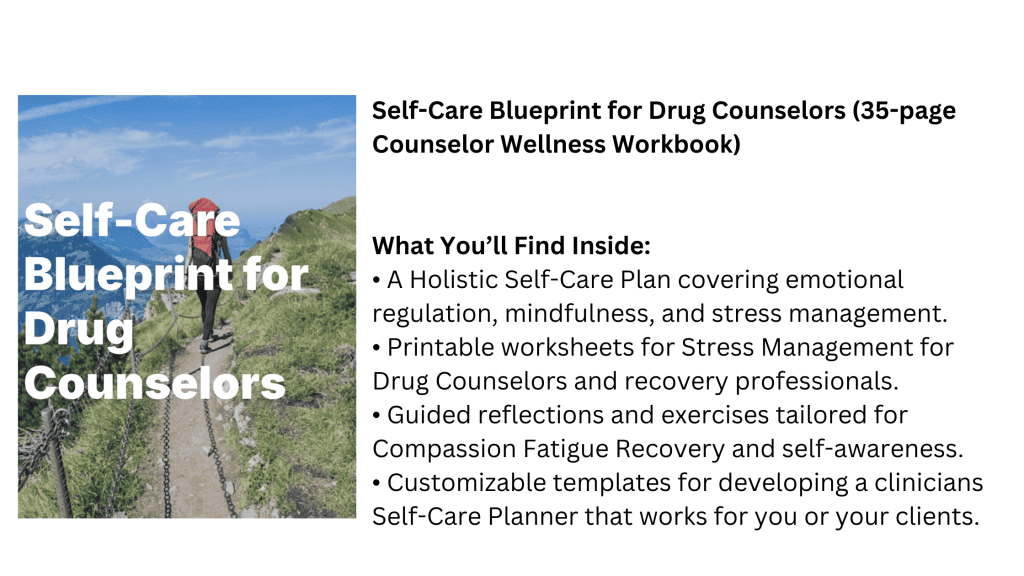
Holiday self-care for counselors becomes real when you protect your energy on purpose. Set clear boundaries, choose a few simple habits you will actually do, and build small recovery pockets into your week so you can show up steady for clients and still have something left for your own life.
Establishing Boundaries
One of the most effective ways to manage holiday stress is by setting clear boundaries. Counselors should evaluate their commitments and prioritize activities that align with their values and well-being. This might mean saying no to certain social events or limiting work hours to ensure they have time for self-care.
Creating a Personal Self-Care Plan
Holiday self-care for counselors is not one-size-fits-all. Each counselor should take the time to define what self-care means for them personally. This could include activities such as:
- Physical Exercise: Regular workouts can help alleviate stress and improve mood.
- Mindfulness Practices: Techniques such as meditation or yoga can promote relaxation and emotional balance.
- Creative Outlets: Engaging in hobbies like painting, writing, or music can provide a therapeutic escape.
Seeking Support
Counselors should not hesitate to reach out to colleagues, friends, or family for support. Sharing experiences and feelings can help alleviate the burden of stress. Additionally, participating in support groups or professional networks can provide valuable resources and encouragement.
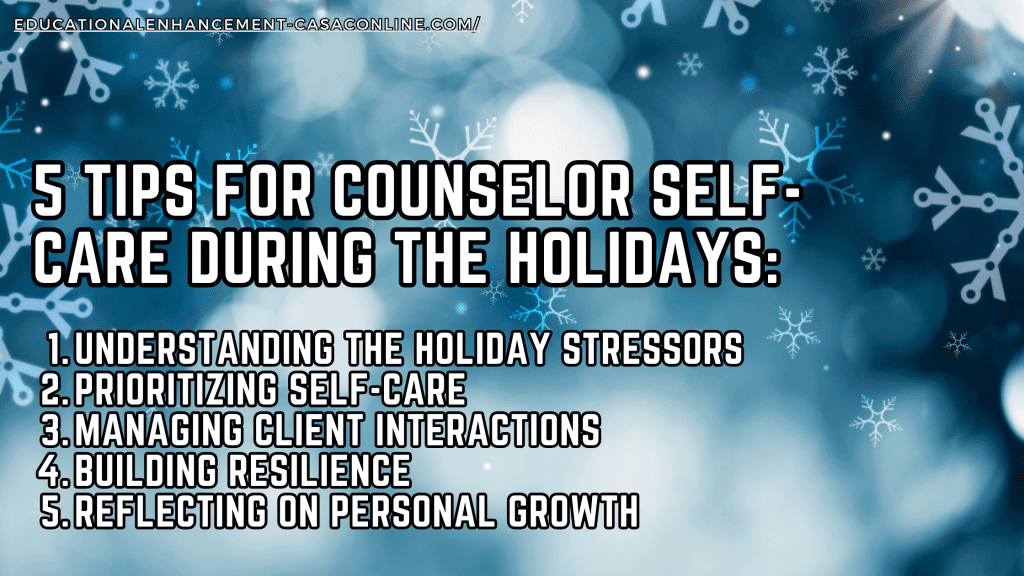
Managing Client Interactions
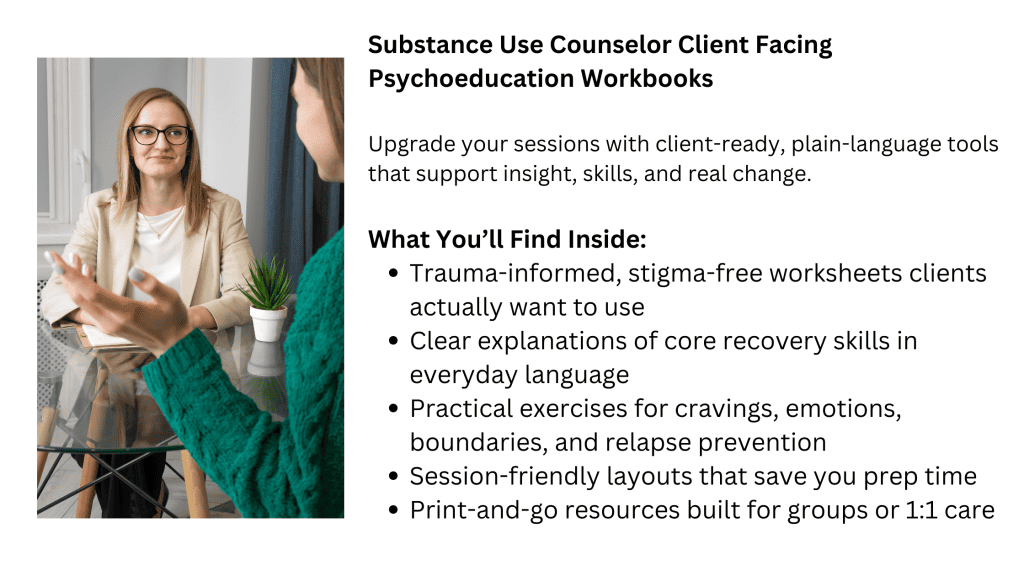
Holiday self-care for counselors includes planning how you will handle higher client stress, last-minute crises, and extra check-ins without burning out. You support your clients better when you set realistic limits, share clear coping tools, and protect your own bandwidth.
Recognizing Client Needs
During the holidays, clients may experience heightened emotions, which can lead to increased crises. Counselors should be prepared for this and adjust their approaches accordingly. This might involve:
- Flexible Scheduling: Offering additional sessions or check-ins to support clients during this challenging time.
- Resource Sharing: Providing clients with tools and resources to manage their stress and emotions effectively.
Encouraging Healthy Coping Mechanisms
Counselors can guide clients in developing healthy coping strategies for the holiday season. This could include:
- Setting Realistic Expectations: Helping clients understand that perfection is unattainable and that it’s okay to have imperfect holidays.
- Promoting Gratitude Practices: Encouraging clients to focus on what they are thankful for can shift their mindset from stress to appreciation.
Building Resilience
Holiday self-care for counselors builds resilience by treating stress as a signal, not a personal failure. Practice quick grounding, keep expectations realistic, and lean on one steady support point so you can recover faster and stay present for clients.
Fostering a Positive Mindset
Resilience is key to navigating the challenges of the holiday season. Counselors should focus on cultivating a positive mindset by:
- Practicing Gratitude: Keeping a gratitude journal can help shift focus from stressors to positive aspects of life.
- Reframing Negative Thoughts: Learning to challenge and reframe negative thoughts can reduce anxiety and improve overall well-being.
Engaging in Community Activities
Participating in community service or volunteer work can provide a sense of purpose and connection. Counselors can encourage clients to engage in activities that promote giving back, which can enhance feelings of fulfillment and joy during the holidays.
Reflecting on Personal Growth
Holiday self-care for counselors includes taking a breath and noticing how far you have come this year. When you name your progress and the skills you have earned, you step into the rest of the season with more patience, confidence, and control.
Acknowledging Progress
The holiday season is an excellent time for reflection. Counselors should take a moment to acknowledge their personal and professional growth over the past year. This reflection can foster a sense of accomplishment and motivate them to continue their journey in the coming year.
Setting Intentions for the New Year
As the year comes to a close, it’s beneficial for counselors to set intentions for the upcoming year. This could involve professional goals, personal aspirations, or new self-care practices they wish to incorporate into their lives.
Conclusion
The holiday season can be a challenging time for drug counselors, filled with unique stressors and emotional triggers. However, by prioritizing self-care, establishing boundaries, and seeking support, counselors can navigate this period with resilience and grace. It’s essential to remember that taking care of oneself not only benefits personal well-being but also enhances the ability to support clients effectively. As the holidays approach, let’s commit to nurturing our mental health and embracing the joy that this season can bring.
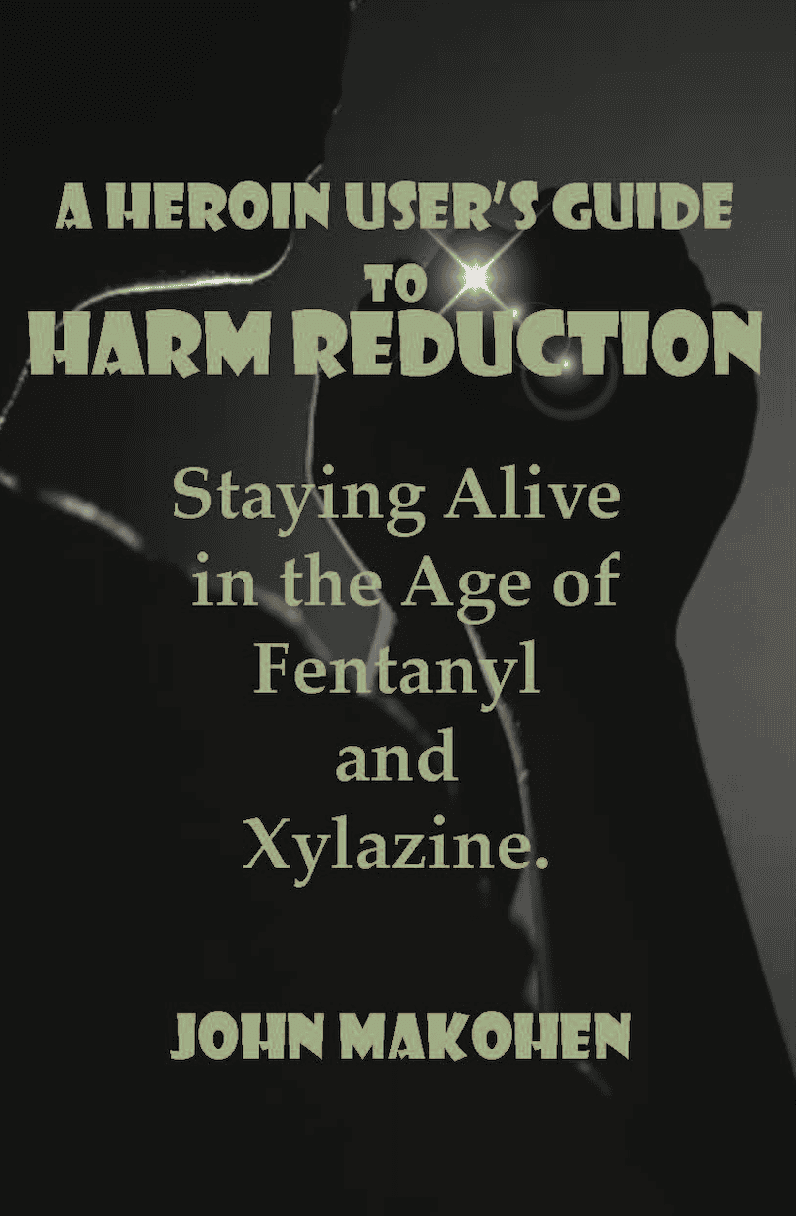
A Heroin User’s Guide to Harm Reduction: Staying Alive in the Age of Fentanyl and Xylazine
is not just a book—it’s a lifeline. As the opioid crisis devastates communities with fentanyl-tainted heroin, this visceral guide offers a compassionate, non-judgmental approach to understanding and surviving heroin use.
Subscribe to Our Newsletter
Stay up-to-date with changes in the addiction recovery field, new illicit drug trends, treatment modalities, and new addiction counselor training opportunities.