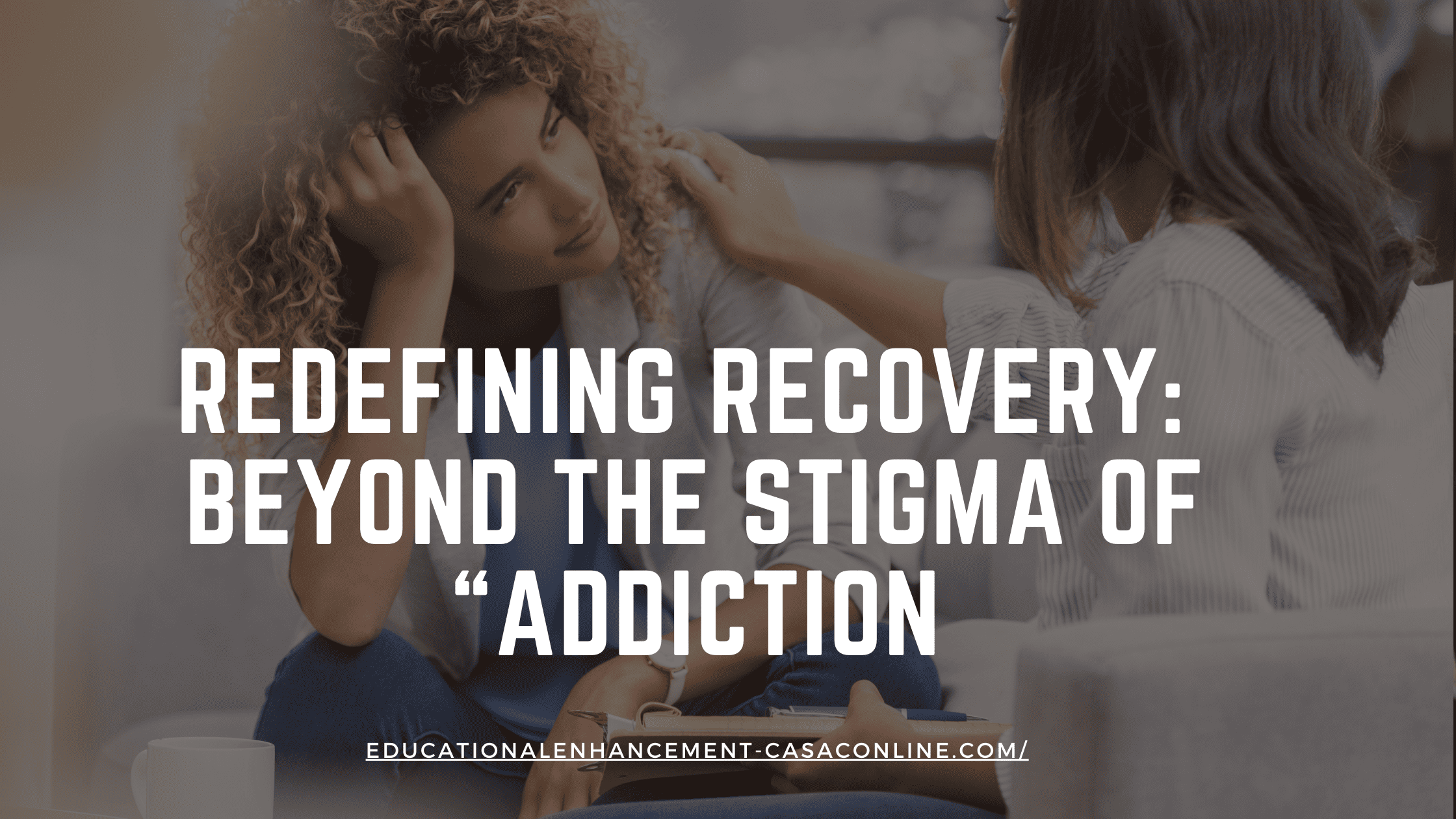
Substance use disorder treatment is often misunderstood and plagued with the stigma of ‘addiction.’ A person’s use disorder shouldn’t be seen as a scarlet letter forcefully branded on their soul. Instead, their recovery is a valuable signpost guiding others toward their excellent path.
It’s crucial to recognize that substance use disorder is a complex and multifaceted issue that affects people from all walks of life.
Rather than perpetuating shame and judgment, society should extend compassion and support to those struggling with use disorders.
By offering understanding and access to effective treatment options, we can empower individuals to overcome their challenges.
Recovery is a journey that requires dedication, resilience, and a robust support system. It should never be placated by stigma and judgment.
Recovery is a process of growth and self-discovery, where individuals learn to navigate the ups and downs of life without relying on substances. So, let’s view recovery without the stigma of ‘addiction.’
As substance use counselors, it’s up to us to change the narrative. It’s up to us to help society view the recovery process not as a condemnation but as an opportunity for healing and transformation.
Together, we can break free from the stigma of ‘addiction’ and embrace a brighter future.
Let’s embark on a journey to understand is more of a hindrance than a help in the realm of substance use recovery.
The Historical Baggage and Stigma of ‘Addiction
Substance use disorder, a complex and pervasive issue, carries with it a heavy load of historical baggage. Throughout the ages, societies have grappled with the implications and consequences of ‘addictive behaviors,’ ranging from old diagnoses such as ‘alcoholism,’ ‘drug addiction,’ ‘drug abuse,’ ‘chemical dependence, ’ and beyond.
The term “addiction” carries with it centuries of misunderstanding and moral judgment. It’s like an old, heavy suitcase filled with notions of corruption and moral failing, impossible to lift without feeling the weight of history.
From ancient civilizations to modern times, substance use disorder has been a pressing concern that has left a lasting impact on individuals, families, and communities.
The roots of this problem can be traced back to various factors, including cultural norms, economic disparities, and psychological vulnerabilities.
Understanding the historical context of Substance use disorder is crucial to comprehend the current challenges we face.
Changing the language we use to discuss use disorders reduces harm and allows people with use disorders to actively seek out the help they need without fear of judgment and shame.
By examining the past, we can gain insight into the patterns and trends that shaped our understanding of use disorder and inform our efforts to address it.
It’s only through a comprehensive understanding of the historical baggage and stigma of ‘addiction’ that we can hope to develop effective strategies for prevention, intervention, and treatment.
Breaking Free from Stigmatized Shackles
In our quest to end the stigma of substance use, why cling to the term addiction?
Is it soaked in judgment?
“Addiction” often paints individuals as damaged beyond repair, ignoring their humanity and potential for change.
We know that substance use disorder is a complex and multifaceted issue. However, by perpetuating the stigma of addiction, we often thrust individuals into a disheartening narrative that portrays them as damaged beyond repair.
This portrayal fails to acknowledge their inherent humanity and vast potential. It is crucial to recognize that substance use disorder doesn’t define a person but instead represents one aspect of their life.
Behind the struggles and hardships lies a person filled with dreams, aspirations, and the capacity for growth. The prevailing misconception that individuals with substance use disorder are irreparably broken perpetuates the stigma of addiction and hinders their path to recovery.
We can create an environment that fosters compassion, understanding, and support by shifting our perspective and acknowledging their humanity.
Through this lens, we can begin dismantling the barriers that prevent individuals from accessing the help and resources they need to reclaim their lives.
Substance use disorder, though challenging, shouldn’t overshadow the resilience and potential of people.
A New Lexicon for Healing
Embracing terms like “substance use disorder” or “people with use disorders” aligns with a modern understanding of addiction and substance abuse.
These terms have gained prominence in recent years as society’s understanding of addiction has evolved. Instead of using outdated terms such as “drug addict” or “alcoholic,” which often carry negative connotations and perpetuate the Stigma of “Addiction.”
The shift towards person-first language helps to humanize individuals struggling with substance use disorder.
By using terms like “substance use disorder,” we recognize that ‘addiction’ is a complex medical condition that affects individuals from all walks of life.
It highlights the importance of treating use disorders as a health issue rather than a moral failing. Furthermore, person-first language emphasizes the individual’s humanity and promotes empathy and understanding.
As we continue to learn more about substance use disorder and its impact on individuals and communities, using these terms allows us to communicate in a more compassionate and inclusive manner.
The Power of Words Can End the Stigma of “Addiction”
Words are not just a means of communication; they are the architects of our perception.
By shifting our language, we can transform our approach to treatment and recovery, fostering a more compassionate and effective healing environment.
By shifting our language, we have the power to completely transform our approach to treatment and recovery. Words hold immense power, and the way we communicate about mental health and addiction can greatly impact the individuals seeking help.
Using active listening, empathy, and helping clients feel heard rather than interrogated. When clients believe they are being respected instead of evaluated, they are far more likely to provide accurate information that leads to effective treatment planning.
If we replace judgmental and stigmatizing language with compassionate and understanding terms, we can create an environment that fosters healing and support. It is crucial to recognize that addiction and mental health conditions are not moral failings or character flaws, but rather complex medical issues that require proper treatment and care.
By reframing the conversation and using language that emphasizes empathy and acceptance, we can break down barriers and encourage those in need to seek help without fear of judgment or shame.
Moreover, this shift in language can also help to destigmatize mental health and addiction, promoting a more inclusive and supportive society.
So let’s choose our words carefully and pave the way for a more compassionate approach to end the Stigma of “Addiction” treatment and recovery.
Recovery begins long before a person achieves sobriety. It begins when someone feels respected enough to ask for help. As substance use counselors, our language, attitudes, and clinical skills shape that experience. Every conversation has the potential either to reinforce stigma or replace it with hope. By choosing compassion over judgment and evidence over stereotypes, counselors help create a treatment system where recovery is defined not by a person’s past but by the possibilities that lie ahead.
Lead with the opportunity
New York is running short on addiction counselors, and the gap keeps widening. Overdose deaths remain high, treatment programs are stretched thin, and people reaching for recovery are waiting longer for help, often because there simply aren’t enough credentialed professionals to meet the need.
That shortage is also an opening. Becoming a CASAC is one of the most direct ways to step into a career your community is urgently trying to fill. Educational Enhancement’s CASAC 350 education and training delivers all 350 OASAS-approved hours online and self-paced, with live instructor support — so you can earn your credential in as little as 5–8 months and start doing work that genuinely matters.
New York needs more counselors. This is how you become one.
Current OASAS & NAADAC Approved
Addiction Counselor Certifcation Renewal Course Offerings
To see our
Addiction Counselor Course listings,
head over to
Educational Enhancements
Online Addiction Counselor
Education and Training Store
Subscribe to Our Newsletter
Stay up-to-date with changes in the addiction recovery field, new illicit drug trends, treatment modalities, and new addiction counselor training opportunities.