Understanding the CAGE Assessment: A Tool for Substance Use Disorder Screening

Understanding the CAGE Assessment: A Tool for Substance Use Disorder Screening

blog post banner for: understanding The CAGE Screening Tool for Substance Use Severity Screening.. The image shows an elderly woman drinking a glass of wine alone.
Halfpoint Images / Getty Images

The CAGE Screening Tool for Substance Use Disorder.

Substance and alcohol use disorder is a serious issue affecting millions worldwide.

The CAGE screening tool that’s used to screen for alcohol-related disorders.

In this article, we will look into the details of the CAGE assessment, understand its questions, scoring system, variations, accuracy, and role in identifying alcohol and substance use disorder.

What is the CAGE Screening Tool?

The CAGE screening tool is simple and effective. Clinicians use it to identify possible signs of alcohol dependency.

The name “CAGE” is derived from the first letter of each of the four questions it comprises:

  1. C – Cutting down: Have you ever felt you should reduce your drinking?
  2. A – Annoyance by criticism: Have people annoyed you by criticizing your drinking?
  3. G – Guilty feeling: Have you ever felt bad or guilty about your drinking?
  4. E – Eye-openers: Have you ever had a drink first thing in the morning to steady your nerves or get rid of a hangover?

These questions are designed to provide insights into someone’s relationship with alcohol and indicate potential issues with alcohol use disorder.

In the early years of substance abuse treatment, clinicians used the tool mainly to assess for alcohol use disorder. However, the tool has been modified since its inception, so it can also be a powerful screening tool for substance use disorder.

Variations of the CAGE Screening Tool

While the CAGE Screening Tool primarily focuses on alcohol use, some variations include questions about drug use. One such variation is the CAGE-AID questionnaire, where AID stands for “Adapted to Include Drugs.”

The CAGE-AID questionnaire includes the same four questions as the CAGE screening tool but expands the scope to encompass alcohol and drug use.

Let’s take a quick look at the CAGE-AID screening tool so it includes drugs other than alcohol:

  1. C – Cutting down: Have you ever felt you should reduce your substance use or drinking?
  2. A – Annoyance by criticism: Have people annoyed you by criticizing your substance use or drinking?
  3. G – Guilty feeling: Have you ever felt bad or guilty about your substance use or drinking?
  4. E – Eye-openers: Have you ever used a drug or drink first thing in the morning to steady your nerves or feel normal?

How Should the CAGE Screening Tool be Used?

It’s important to note that the CAGE Screening Tool should not be used as a self-diagnosis tool. Instead, healthcare professionals primarily employ it as an initial screening tool, particularly in primary care settings.

A positive result on the CAGE assessment may prompt further evaluation and diagnostic procedures by a qualified professional.


The CAGE Questionnaire Questions

Drug counselors ask individuals the following four questions to administer the CAGE screening tool.

The response is a simple “yes” or “no” response.

Let’s review the 4 Cage Assessment Questions (rewritten for modern substance use treatment programs):

  1. Have you ever felt you should cut down on your substance or alcohol use?
  2. Have people annoyed you by criticizing your substance use or drinking?
  3. Have you ever felt bad or guilty about your substance use or drinking?
  4. Have you ever had to take a drug or a drink first thing in the morning to steady your nerves, get rid of a hangover, or feel normal?

These questions aim to gauge the individual’s perception of their substance use or drinking habits and the potential consequences of their drug or alcohol consumption.


Scoring the CAGE Assessment

Each “yes” response is assigned a score of 1, while each “no” response is a score of 0. The scores for each question are then summed up to provide a total score. A higher total score indicates a higher likelihood of alcohol use severity and/or alcohol or substance use disorder.

A score of 2 or higher is considered clinically significant and may indicate the need for further evaluation, assessment, and intervention.


Interpreting CAGE Results

It’s crucial to remember that the CAGE assessment alone cannot provide a definitive diagnosis of alcohol or substance use disorder. Instead, it serves as an initial screening tool to identify potential signs of alcohol or drug-related issues. If an individual scores 2 or higher on the CAGE assessment, it suggests a need for further evaluation by a qualified professional.

It’s essential to consult a substance use treatment provider who can interpret the results regarding an individual’s overall health, medical history, and lifestyle.

Other tests used to screen for alcohol use disorder.


Other tests commonly used to screen for alcohol use disorder include the

  • Michigan Alcohol Screening Test (MAST),
  • Alcohol Use Disorders Identification Test (AUDIT), 
  • Alcohol, Smoking, and Substance Involvement Screening Test (ASSIST) 

Each test has unique questions and scoring systems, providing additional options for healthcare professionals to assess alcohol-related issues comprehensively.

Accuracy of the CAGE Assessment

The CAGE assessment is a relatively accurate tool for identifying potential alcohol or substance use disorder. According to a study published in Occupational Medicine, the CAGE assessment accurately identified people with alcohol or drug dependence issues approximately 93% of the time. This high accuracy rate highlights the effectiveness of the CAGE assessment as a screening tool.

Conclusion

The CAGE assessment is valuable in screening and identifying potential alcohol dependency. While it is not a standalone diagnostic tool, the CAGE screening tool provides drug counseling professionals valuable insights into an individual’s relationship with alcohol or drugs. By asking four simple questions, clinicians can initiate further evaluation and intervention for those requiring assistance with alcohol or drug-related issues.


Refresh your addiction counseling skills and strengths with our Introduction to Diagnostic Criteria Training. 

In this 6-hour CASAC or NAADAC renewal training, you will refresh your knowledge and understanding of diagnostic screening and assessment tools used to screen and assess for substance use disorder and its severity. You will also receive 6 hours toward renewing your drug counselor certification.

Subscribe to Our Newsletter

Stay up-to-date with changes in the addiction recovery field, new illicit drug trends, treatment modalities, and new addiction counselor training opportunities.

Drug Counselor Training: Understanding Syringe Exchange Programs and Harm Reduction

Drug Counselor Training: Understanding Syringe Exchange Programs and Harm Reduction

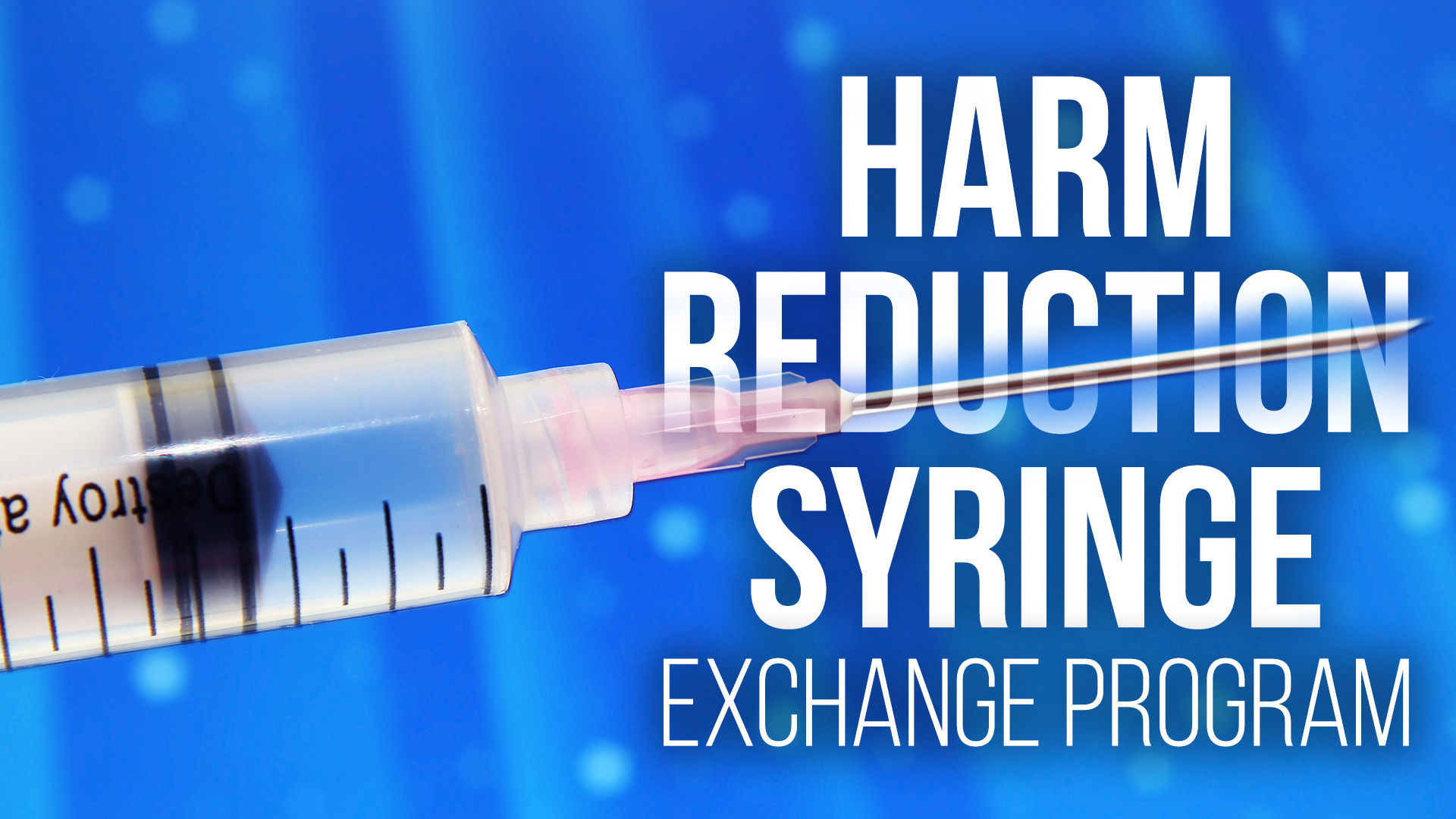
Blog post banner image for the article titled: Drug Counselor Training: Understanding Syringe Exchange Programs and Harm Reduction
Clean syringes and other items involved in intravenous drug use sit on a desk.

Syringe Service Programs or Needle Exchange Programs provide lifesaving and harm reduction for injection drug users.

Drug addiction is a complex issue that affects individuals from all walks of life.

As drug counselors, we aim to provide support, guidance, and resources to those struggling with addiction.

One crucial aspect of our work is understanding and promoting harm reduction strategies, such as syringe exchange programs.

In this comprehensive guide, we will explore the concept of harm reduction, the benefits of syringe service programs, and the role of drug counselors in promoting these initiatives.

Understanding Harm Reduction


Harm reduction is an approach that aims to minimize the negative consequences of drug use, even for individuals who are not yet ready or able to stop using.

It recognizes that complete abstinence may not be feasible for everyone. It seeks to reduce the harms associated with drug use, such as infectious diseases like HIV and Hepatitis C. Needle exchange programs have effectively reduced the rate of HIV infection in injection drug users.

Harm reduction strategies focus on meeting individuals “where they’re at” and providing non-judgmental support and resources to improve their health and well-being.

The Role of Drug Counselors in Harm Reduction


As drug counselors, we are crucial in promoting harm-reduction strategies and supporting individuals who use drugs.

Our primary objective is establishing a trusting and empathetic relationship with our clients, creating a safe space for open and honest communication.

By understanding the harm reduction principles, we can provide evidence-based information, resources, and support to help individuals make informed decisions about their health and well-being.

Syringe Exchange Programs: A Vital Component of Harm Reduction


Needle exchange programs are community-based initiatives that provide services to people who inject drugs. These programs offer access to sterile syringes and injection equipment, safe disposal of used needles, vaccination, testing for infectious diseases, and linkage to healthcare and substance use treatment.

The overarching goal of syringe service programs is to prevent the transmission of HIV, Hepatitis C, and other bloodborne pathogens.

The Benefits of Needle Exchange Programs


Over nearly 30 years of research, syringe service programs have proven safe, effective, and cost-saving tools in preventing HIV and reducing high-risk injection behaviors.

Some of the primary benefits of syringe service programs these programs include:

  • Preventing Infectious Disease Outbreaks: By providing access to sterile syringes and safe disposal options, SSPs help protect communities from spreading infectious diseases like HIV and Hepatitis C.
  • Facilitating Safe Disposal: Syringe service programs provide sterile syringes and a safe space for individuals to dispose of their used needles and syringes. This reduces the risk of accidental needlestick injuries and prevents contamination of public spaces.
  • Linkage to Care and Treatment: Comprehensive needle exchange programs go beyond providing sterile syringes. They also offer referrals to substance use treatment, infectious disease care, and other healthcare services. These programs connect individuals to the resources they need to improve their health.

Embrace Effective Change! Join Our Harm Reduction Training Course
for Substance Use Counselors Today!

Are you a substance use counselor dedicated to making a real difference in the lives of your clients? Unlock your full potential with our cutting-edge Harm Reduction Training Course!

Addressing Common Misconceptions About Syringe Exchange Programs

Despite the overwhelming evidence supporting the effectiveness of syringe exchange programs, some misconceptions exist surrounding their implementation. It is important to address these misconceptions to ensure accurate information is disseminated.

Let’s examine and debunk some common myths associated with needle exchange programs:

  • Myth: Syringe Exchange Programs Encourage Drug Use: The evidence shows that syringe service programs do not increase drug use. Studies have shown that individuals who access needle exchange programs are more likely to enter drug treatment and reduce their drug use than those who do not.
  • Myth: Syringe Exchange Programs Increase Crime: Research has consistently shown that needle exchange programs are not associated with increased crime rates. On the contrary, these programs contribute to public safety by reducing the improper disposal of needles and syringes in the community.
  • Myth: Needle Exchange Programs Lead to Needle Litter: Syringe exchange programs prioritize the safe disposal of used needles and syringes. By providing individuals with a designated place to return their used injection equipment, needle exchange programs actively work to prevent syringe litter and promote community cleanliness.


The Role of Drug Counselors in Needle Exchange Programs


As drug counselors, our involvement in needle exchange programs is crucial. Here are some key ways we can contribute to these initiatives:

  1. Education and Awareness: We can educate our clients about the existence and benefits of syringe exchange programs. By providing accurate information, we can dispel misconceptions and help individuals make informed decisions about their health.
  2. Referral and Linkage to Care: Drug counselors are well-positioned to connect individuals to syringe exchange programs and other harm reduction services. By collaborating with local programs and staying current with available resources, we can effectively link our clients to the support they need.
  3. Support and Counseling: Individuals who access syringe exchange programs may have complex needs and face various challenges. As drug counselors, we can provide emotional support, counseling, and resources to help individuals make positive life changes.
  4. Advocacy: Drug counselors can advocate for expanding and improving syringe exchange programs in their communities. Raising awareness about the benefits of harm reduction strategies can help reduce stigma and promote evidence-based approaches to drug use.


Drug Counselor Training and Certification

To effectively support individuals who use drugs and promote harm reduction strategies, drug counselors undergo specialized training and certification. In New York State, the Office of Addiction Services and Supports (OASAS) oversees the certification process for drug counselors, known as the Credentialed Alcoholism and Substance Abuse Counselor (CASAC) program.

CASAC certification requires a combination of education, supervised work experience, and successful completion of an examination.

This comprehensive training equips drug counselors with the knowledge and skills to provide effective support and guidance to individuals struggling with addiction.


Conclusion


As drug counselors, our role in promoting harm reduction strategies, such as syringe exchange programs, is crucial. By understanding the principles of harm reduction and staying informed about available resources, we can effectively support individuals who use drugs.

Syringe service programs play a vital role in preventing the transmission of infectious diseases and connecting individuals to necessary healthcare and treatment.

Through education, referral, and advocacy, we can contribute to improving these programs and help create safer and healthier communities.

Subscribe to Our Newsletter

Stay up-to-date with changes in the addiction recovery field, new illicit drug trends, treatment modalities, and new addiction counselor training opportunities.

The Importance of Safe Injection / Consumption Sites in Harm Reduction

The Importance of Safe Injection / Consumption Sites in Harm Reduction

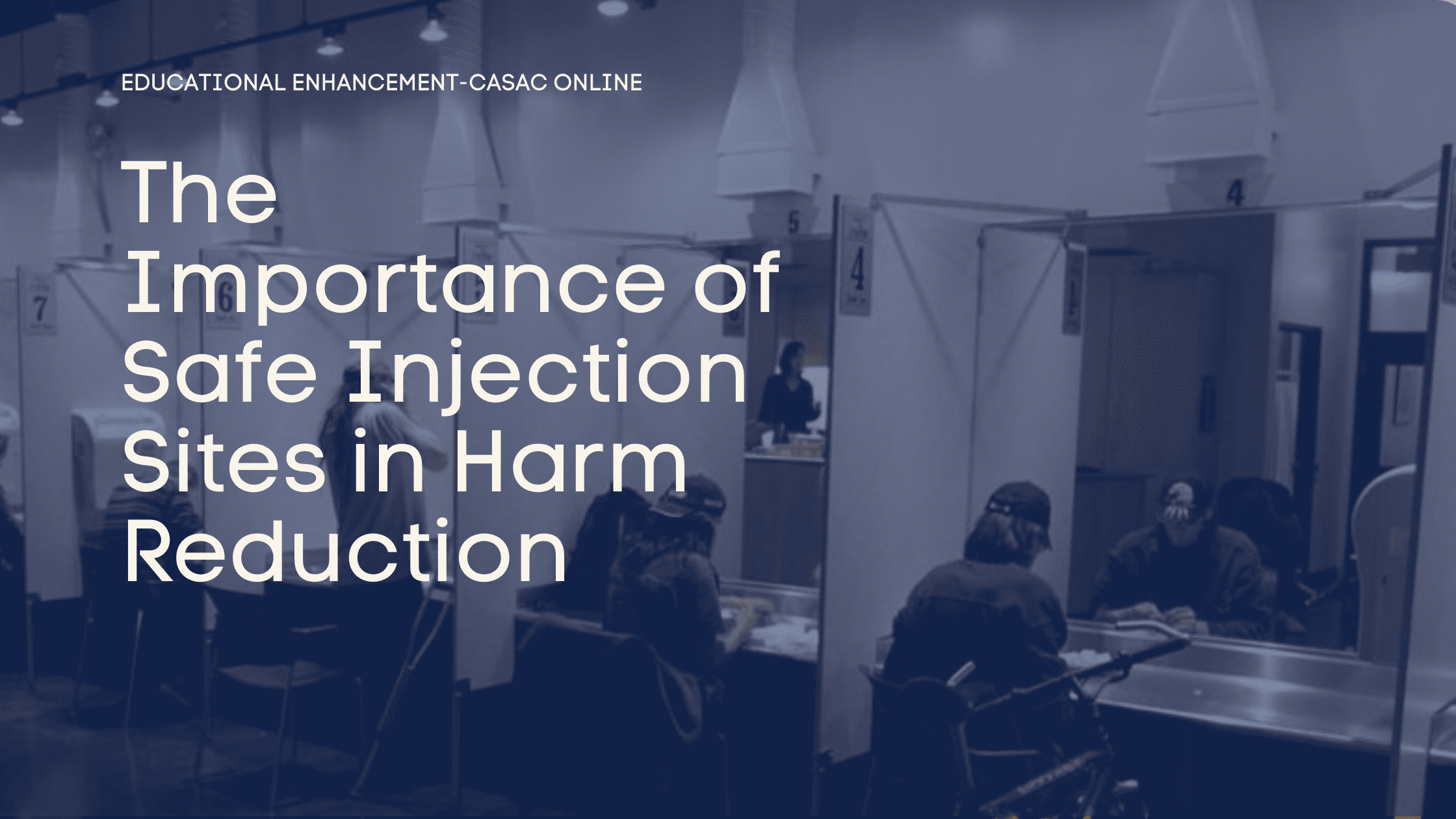
Blogpost banner for the blog post: Discover How Drug Counselors Save Lives! 🌟 Learn Why Safe Injection Sites are Crucial for Harm Reduction.

Image source: Supervised injection stations at Vancouver’s Insite. (Photo: Insite)

Safe Injection Sites? Good Or Bad?


Substance abuse and addiction are complex issues that require comprehensive and compassionate solutions.

One such solution that has recently gained traction is establishing safe injection sites or consumption facilities.

These safe consumption sites, operating for over 30 years in 100 locations worldwide, provide a supervised environment for individuals to use drugs to reduce harm and save lives.

This article will explore the importance of safe injection sites in harm reduction, their impact on overdose death rates, public drug use, disease transmission, and the promotion of treatment referrals.


Understanding Safe Injection Sites


Safe injection sites, also known as safe consumption spaces or drug consumption rooms, are professionally supervised healthcare facilities where individuals can consume drugs under the supervision of trained staff.

These facilities aim to provide a safe and hygienic environment for drug use, reducing the risk of disease transmission through unhygienic injection or other routes of administration.

They also seek to prevent drug-related overdose deaths and connect high-risk drug users with addiction treatment referrals and other health and social services.


The Need for Harm Reduction


The emergence of the human immunodeficiency virus/acquired immune deficiency syndrome (HIV/AIDS) epidemic in the 1980s highlighted the urgent need for harm reduction strategies in response to drug injection and related health risks.

Harm reduction approaches, such as outreach, peer education, clean needle provision, and medications for opiate use disorder, started gaining wider acceptance throughout Europe in the 1990s.

However, establishing safe injection sites has been a more controversial response, with concerns raised about potential negative consequences.

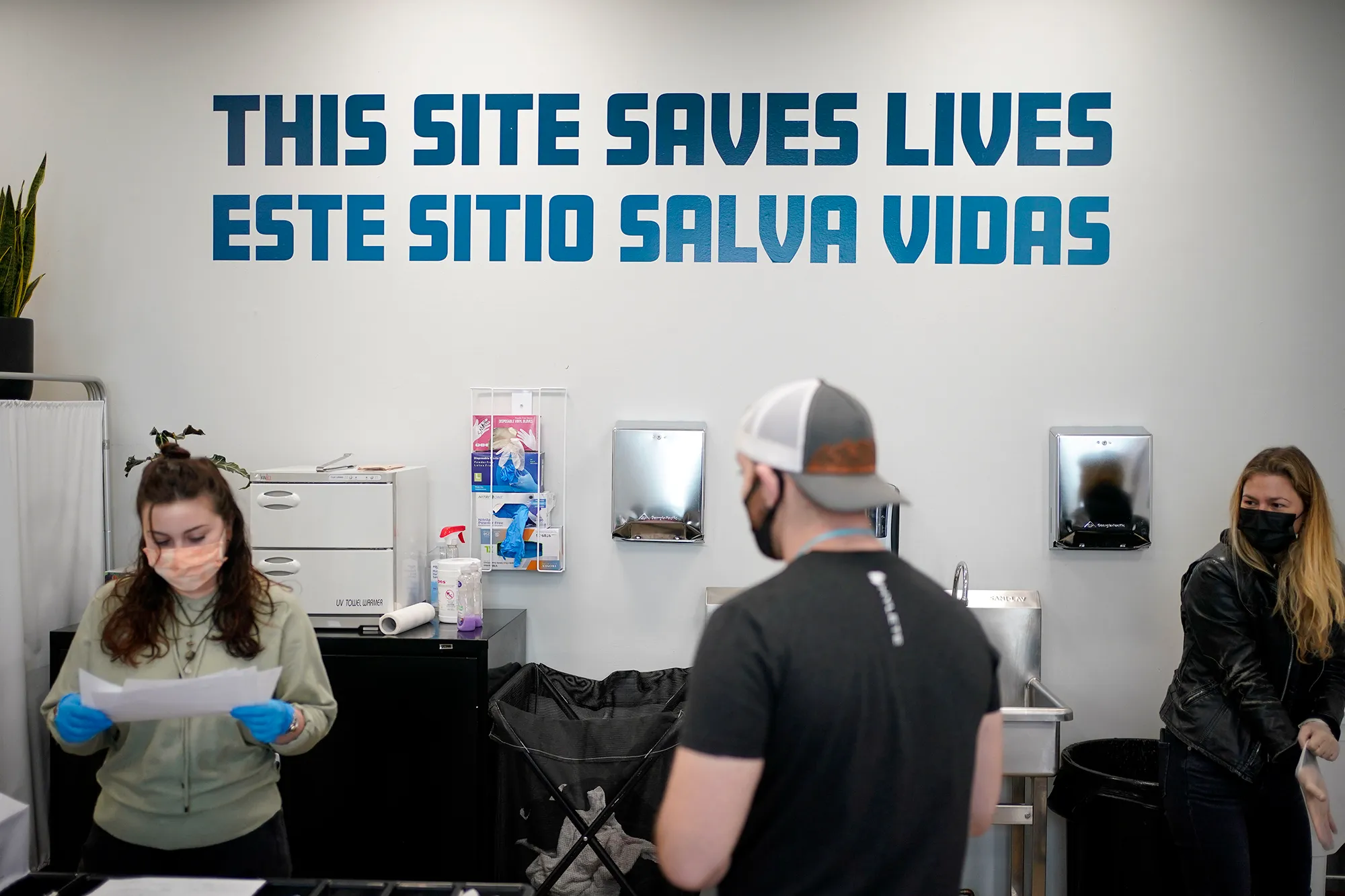
Photo of the inside of a safe injection site Onpoint in NYC. On the wall is painted This Site Saves Lives. Image source:Photo by Seth Wenig, AP
Image source: Photo by Seth Wenig, AP

Addressing Concerns and Misconceptions of Safe Consumption Facilities


One of the main concerns surrounding safe consumption sites is the fear that they might encourage drug use or delay individuals from seeking treatment.

However, research and real-world evidence have shown that these concerns are largely unfounded.

Safe injection sites allow individuals to use drugs in a controlled environment, reducing the risks associated with public drug use, such as overdose deaths and the presence of discarded needles.

Moreover, these facilities have effectively connected individuals with addiction treatment programs and promoted access to other healthcare and social services.


Impact on Overdose Death Rates


Overdose deaths have reached alarming levels in many communities, with the United States experiencing a devastating increase in fatalities in recent years.

Safe consumption sites have proven to be an effective intervention in reducing overdose death rates.

These facilities are equipped with trained staff who can intervene promptly in the event of an overdose, providing emergency care and potentially saving lives.

Director of Onpoint, NYCs first safe consumption site, Sam Rivera, states, “Health professionals have used Naloxone to reverse more than 700 overdoses at the state’s two overdose prevention centers in New York City since they opened in 2021.”

Think about it! That’s 700 fathers, mothers, husbands, wives, sons, and daughters. To contest the public view that overdose prevention centers are not the best treatment options, Rivera states, “(overdose prevention centers) allow them (people with use disorders) to stay alive while they work on their lives safely… And work on, for many people, reducing and many others stopping completely. But we need them (PWUD) alive to get them there.”

Additionally, the presence of healthcare professionals allows for immediate access to naloxone, a medication used to reverse opioid overdoses.

Embrace Effective Change! Join Our Harm Reduction Training Course
for Substance Use Counselors Today!


Are you a substance use counselor dedicated to making a real difference in the lives of your clients? Unlock your full potential with our cutting-edge Harm Reduction Training Course!

Reducing Public Drug Use and Needle Disposal Issues

One of the significant benefits of safe injection sites is their ability to reduce public drug use and the associated public order problems.

By providing a designated space for safe drug injection, these facilities help alleviate the presence of open drug scenes and the related issues of discarded needles and public drug use.

This improves the overall safety and cleanliness of public spaces and reduces the general population’s exposure to drug-related activities.


Preventing Disease Transmission

Unhygienic drug injecting practices, such as sharing needles, significantly contribute to transmitting bloodborne diseases such as HIV and hepatitis C.

Safe consumption sites prevent disease transmission by providing sterile injecting equipment and promoting safe drug use practices.

These facilities also offer counseling services before, during, and after drug consumption, educating individuals on harm reduction strategies and promoting safer behaviors.


Promoting Referrals to Treatment Programs

A key objective of safe consumption sites is to connect high-risk drug users with addiction treatment and other healthcare services.

By establishing a non-judgmental and supportive environment, these facilities encourage individuals to seek help and engage in treatment programs.

The presence of trained staff, including healthcare professionals, case managers, and counselors, enables immediate referrals to detoxification, drug dependence treatment, and opioid substitution programs.

This holistic approach to care increases the likelihood of successful recovery and long-term rehabilitation.


Safe Consumption Sites Equal Cost Savings and Positive Community Impact

Investing in safe injection sites can result in significant cost savings for communities.

By preventing overdose deaths and reducing the transmission of bloodborne diseases, the burden on healthcare systems decreases.

Emergency room visits, hospitalizations, and the long-term costs associated with managing chronic diseases related to drug use can be significantly reduced.

Moreover, safe injection sites positively impact the community by improving public health, reducing public drug use, and promoting the overall well-being and safety of the population.


Conclusion

Safe injection sites play a vital role in harm reduction strategies, providing a safe and supervised environment for individuals to consume drugs.

Safe consumption facilities have effectively reduced overdose death rates, prevented disease transmission, and promoted treatment referrals.

By addressing concerns and misconceptions, safe injection sites offer a compassionate and evidence-based solution to the complex challenges surrounding substance abuse and addiction.

Investing in safe consumption sites saves lives and contributes to healthier and safer communities. It is essential that policymakers, healthcare professionals, and the community at extensive work together to support and expand the availability of safe injection sites as part of a comprehensive harm reduction approach.

Subscribe to Our Newsletter

Stay up-to-date with changes in the addiction recovery field, new illicit drug trends, treatment modalities, and new addiction counselor training opportunities.

The Importance of Medication Assisted Treatment and Harm Reduction in Substance Use Counseling

The Importance of Medication Assisted Treatment and Harm Reduction in Substance Use Counseling

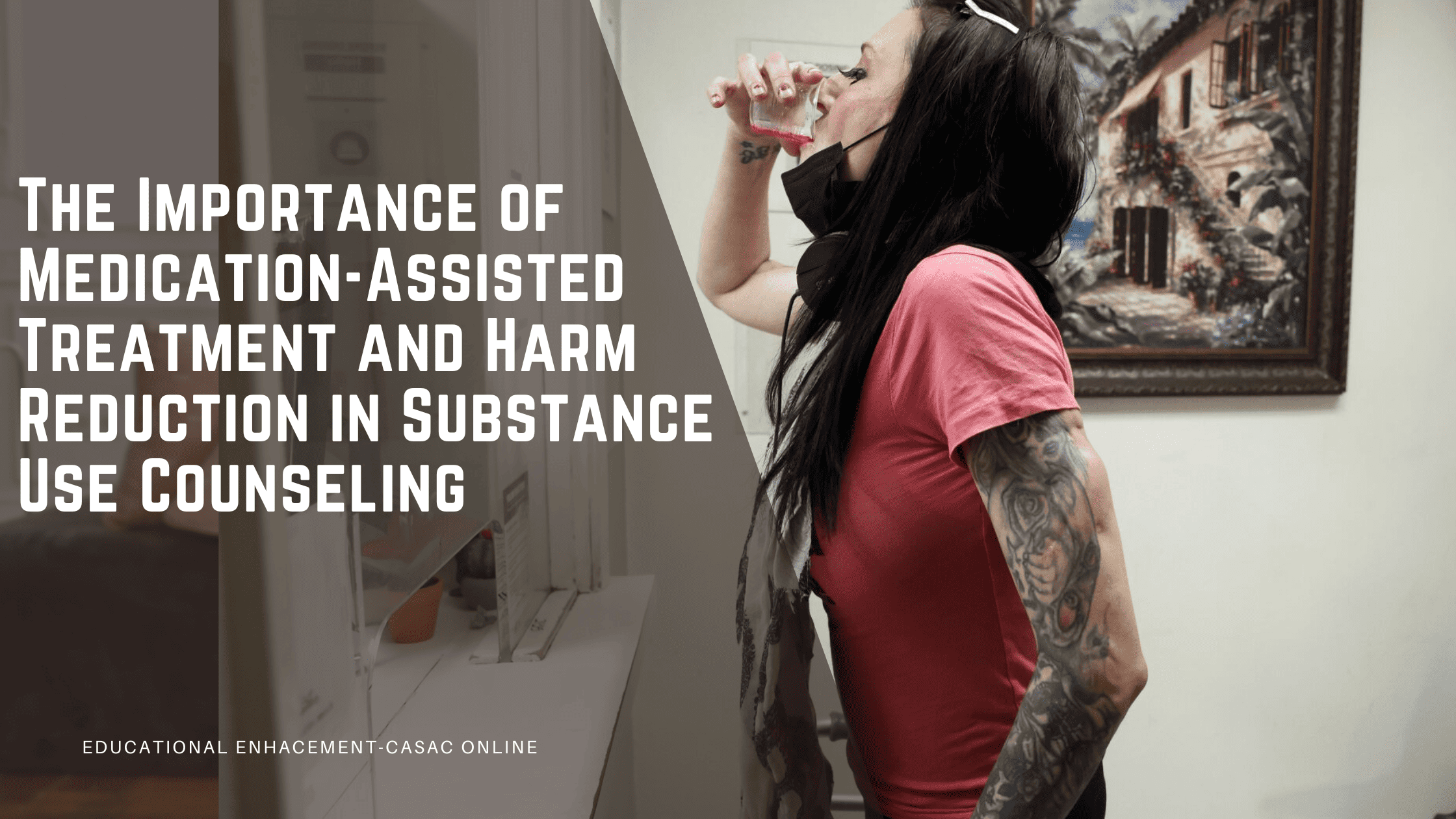
Blog post banner for the post: The Importance of Medication-Assisted Treatment and Harm Reduction in Substance Use Counseling. Image credit: (Dania Maxwell / Los Angeles Times)

Medicated Assisted Treatment clininc: Image Source: Dania Maxwell / Los Angeles Times

Medicated Assisted Treatment; Good or Bad?

Substance use disorders can have devastating effects on individuals and their communities. Substance use counselors must understand the value of medicated assisted treatment (MAT) and harm reduction in addressing these issues. This article aims to provide insights into the significance of medicated assisted treatment and harm reduction, offering guidance and support to substance use counselors unfamiliar with these approaches.


Understanding Substance Use Disorders and the Role Medicated Assisted Treatment Plays


Substance use disorders, including opioid use disorder (OUD), are chronic conditions that require comprehensive treatment. Addiction is a complex disease that affects individuals’ brains, behavior, and overall well-being. Substance use counselors recognize substance use disorders’ seriousness and long-lasting impact.

However, many counselors are not educated about the importance of medicated-assisted treatment in their educational pursuits.

The Role of Medicated Assisted Treatment (MAT) in Harm Reduction


Medicated assisted treatment (MAT) is valuable in treating substance use disorders, particularly Opioid Use Disorder. It is also an integral harm reduction strategy.  MAT combines medications with counseling and behavioral therapies to provide a holistic and practical treatment approach.


The FDA: Approved Medications to Support Recovery

There are three FDA-approved medications used in medicated assisted treatment facilities.

These include

  • methadone,
  • buprenorphine, and
  • naltrexone.

These medications have been proven safe and effective when used in conjunction with counseling and psychosocial support.

Methadone

Methadone is a long-acting opioid used in Opioid Treatment Programs to prevent withdrawal symptoms and reduce cravings for opioids. It is a Schedule II opioid narcotic and requires close monitoring due to the risk of overdose. Methadone treatment aims to stabilize individuals and support their recovery journey.

Methadone Maintenance Treatment Programs (MMTP) have been the gold standard for people with heroin use disorders.

However, methadone clinics have been scrutinized repeatedly by the general public, politicians, Alcoholics Anonymous, and many people who refuse to read the research and evidence supporting this life-saving drug.

Buprenorphine

Buprenorphine is a Schedule III opioid narcotic that can be used in an Opioid Treatment Program (another name for medicated assisted treatment) or prescribed by specially-trained physicians. It is a partial opioid agonist, meaning it works similarly to methadone but does not induce a complete opioid response in the body.

Buprenorphine helps normalize brain chemistry, reduces cravings, and blocks the euphoric effects of opioids.

Naltrexone

Naltrexone, available as a tablet or long-acting injection, is an opioid antagonist. Unlike other medications, it does not produce opioid effects. Naltrexone works by blocking the euphoric effects of opioids and encouraging sobriety. It is not a controlled substance and can be prescribed by regular doctors.


The Benefits of the Harm Reduction Strategy: Medicated Assisted Treatment 


Medicated assisted treatment (MAT) offers several benefits in the treatment of substance use disorders:

  1. Normalizing brain chemistry: Medications help restore balance in the brain, reducing cravings and withdrawal symptoms.
  2. Blocking euphoric effects: Medicated assisted treatment (MAT) medications block the pleasurable effects of opioids, discouraging their misuse.
  3. Relieving physiological cravings: Medications alleviate the intense desire for opioids, supporting individuals in their recovery journey.
  4. Reducing the risk of overdose: Medicated-assisted treatment (MAT) medications can prevent fatal overdoses by blocking or reducing the effects of opioids.
  5. Providing a comprehensive approach: Medicated-assisted treatment (MAT) combines medication with counseling and behavioral therapies for a holistic treatment approach.

Embrace Effective Change! Join Our Harm Reduction Training Course
for Substance Use Counselors Today!

Are you a substance use counselor dedicated to making a real difference in the lives of your clients? Unlock your full potential with our cutting-edge Harm Reduction Training Course!

The Importance of Continuing Medicated assisted treatment (MAT)


Substance use counselors should be aware that MAT is a long-term treatment. The need for continuing medicated assisted treatment (MAT) should be evaluated periodically, and there is no maximum recommended duration of maintenance treatment. For some individuals, treatment may continue indefinitely to support their recovery and prevent relapse.


Embracing Harm Reduction Principles and Medicated-Assisted Treatment (MAT)

Harm reduction is a crucial approach in substance use counseling that focuses on minimizing the negative consequences of substance use rather than strictly promoting abstinence. It recognizes the reality that not all individuals are ready or able to stop using substances immediately.

Reducing Harm and Promoting Safety


aim to reduce harm and promote safety among individuals who continue to use substances:

  1. Overdose prevention education: Provide individuals with education on recognizing and responding to opioid overdoses, including using naloxone, an overdose-reversal medication.
  2. Naloxone distribution: Encourage the distribution of naloxone directly to individuals at risk of overdose to increase accessibility and save lives.
  3. Good Samaritan laws: Inform individuals about laws that protect against drug offenses for those seeking medical help during an overdose.
  4. Safer substance use practices: Promote harm reduction techniques such as using clean needles, practicing safe sex, and avoiding sharing drug paraphernalia.

Non-judgmental and Client-Centered Approach

Harm reduction embraces a non-judgmental and client-centered approach, recognizing that each individual’s journey is unique. Substance use counselors should respect clients’ autonomy and meet them where they are in their recovery process. This approach fosters trust, creates a safe therapeutic environment, and increases the likelihood of engagement in treatment.

Addressing Stigma and Bias

Stigma and bias surrounding substance use disorders and medication-assisted treatment can hinder individuals from seeking help and impact their overall well-being. Substance use counselors play a vital role in dispelling myths and addressing misconceptions to create a supportive and inclusive environment.

Educating Others and Challenging Misinformation

Substance use counselors can combat stigma and bias by educating colleagues, friends, family members, and the community about the nature of substance use disorders and the effectiveness of medicated-assisted treatment. By providing accurate information, counselors can challenge misconceptions and promote understanding.

Promoting Recovery Capital and Goals

Counselors should emphasize the importance of recovery capital and support clients in setting and achieving their treatment goals. By highlighting the positive impact of medicated-assisted treatment on individuals’ lives, counselors can help shift the narrative and reduce stigma.

Empowering Patients and Advocating for Their Rights

Substance use counselors should empower patients by informing them of their rights and advocating for access to comprehensive treatment options, including medicated-assisted treatment. Encouraging self-advocacy and providing resources can help individuals navigate barriers and fight against discrimination.

Conclusion

Medicated-assisted treatment and harm reduction are vital components of substance use counseling. By understanding the benefits of MAT and embracing harm reduction principles, counselors can provide effective support to individuals with substance use disorders. It is essential to address stigma, challenge bias, and promote a client-centered approach to foster positive outcomes and empower individuals on their recovery journey. Remember, every person deserves compassion, understanding, and access to evidence-based treatment options.

Subscribe to Our Newsletter

Stay up-to-date with changes in the addiction recovery field, new illicit drug trends, treatment modalities, and new addiction counselor training opportunities.
Empowering Substance Use Counselors with the Harm Reduction Strategy: Moderation Management.

Empowering Substance Use Counselors with the Harm Reduction Strategy: Moderation Management.

Image of a drug counselor working with a client using harm reduction strategy moderation management

Substance use counselors, what do you know about Moderation Management?

At Educational Enhancement CASAC Online, we know your daily challenges while helping individuals struggling with addiction. As passionate advocates for harm reduction, we want to introduce you to a powerful strategy called Moderation Management.

In this blog post, we’ll dive into Moderation Management and how you can incorporate it into your counseling approach to better support your clients.

So, let’s get started!

What is Moderation Management?

First, let’s break down what Moderation Management (MM) means. It’s a harm reduction strategy acknowledging that not everyone with substance use issues must abstain from substances completely. Instead, MM focuses on helping individuals learn to moderate their consumption and develop healthier habits around their substance use.

It allows individuals to reflect on their behavior and create their own goals, drinking, and drug use limits, tailoring the approach to their unique relationship with the substance of their choice. MM roots are found in alcohol use disorder. Moderation Management is particularly suited for those who have not developed a pervasive pattern or physical dependence on the substance of their choice.

Alcohol Anonymous, Abstincne, Harm Reduction, and Moderation Management

Alcoholics Anonymous came into existence 80 years ago. Its founder, Bill Wilson, had a history of chronic alcohol abuse and was a disgraced stockbroker. Despite undergoing numerous treatments and attempts to quit drinking, he remained unsuccessful for many years. During his last hospital stay, Wilson underwent an experimental treatment, which led to what he described as a transformative “white light” moment. This experience freed him from the desire to drink and seemingly ‘cured’ his alcohol dependency.

After this life-changing event, Wilson met another chronic drinker named Dr. Bob, and together, they embarked on the journey of creating Alcoholics Anonymous. Drawing inspiration from the Oxford Group’s tenets, they formulated their program’s basis. They began contacting other chronic drinkers in hospitals and sanitariums, introducing their newly formed 12-step recovery program.

Their efforts were met with remarkable acceptance, as there were no other viable treatments for alcohol dependence at that time, making the 12-step program highly effective. In conjunction with the global expansion of Alcoholics Anonymous, the treatment industry in the United States has also undergone exponential growth. Many of the treatment programs in the United States followed adopted the 12-step and abstinence-first-based approach to their treatment continuum.

What is Better, Moderation or Abstinence?

However, harm reduction and moderation management models have proven significantly more effective than abstinence-based treatment. These models assess success using different criteria, considering the spectrum of drug and alcohol abuse rather than adopting a rigid “one size fits all” approach. It is essential to recognize that not all individuals struggling with drug and alcohol abuse are chronic users.

Harm Reduction in the Continuum of Care

Moderation Management is a crucial component of a comprehensive harm reduction approach. We’ll discuss how it fits into the continuum of care alongside prevention, treatment, and recovery strategies. By understanding its place in the bigger picture, you’ll be better equipped to provide holistic support to your clients.

Moderation Management is pivotal in the comprehensive harm reduction approach, including prevention, treatment, and recovery strategies. Harm reduction is an evidence-based approach that aims to reduce the negative effects of health behaviors without necessarily eliminating those behaviors. In the context of substance use, harm reduction seeks to empower individuals who use drugs to make positive changes in their lives by providing them with life-saving tools and information.

Harm Reduction Principles in Substance Use Treatment: A Path to Empowerment and Positive Change

By incorporating harm reduction principles in the continuum of care, substance use treatment providers can deliver interventions informed by humanism, pragmatism, individualism, autonomy, incrementalism, and accountability without termination. This approach helps improve clinical care outcomes and treatment adherence by fostering a quality provider-patient relationship.

The harm reduction movement extends beyond addiction treatment and substance use. It originated from multiple social justice movements in the 1960s, 1970s, and 1980s, challenging stigma and advocating for the rights and potential of people who use drugs. Harm reduction aims to protect the rights of individuals who use substances, minimize drug use’s social, legal, and medical impacts, and work with people without judgment or coercion to achieve positive change.

Embrace Effective Change! Join Our Harm Reduction Training Course
for Substance Use Counselors Today!

Are you a substance use counselor dedicated to making a real difference in the lives of your clients? Unlock your full potential with our cutting-edge Harm Reduction Training Course!

Recognizing the Rationale Behind Moderation Management

It’s essential to understand why MM can benefit some individuals. While abstinence might work for many, it can be daunting and unrealistic for others. MM acknowledges that complete abstinence might not be the right fit for everyone, and it offers a less intimidating approach to address substance use concerns.

Identifying Suitable Candidates for Moderation Management

Knowing who might fit MM well is crucial as a substance use counselor. This section discusses the characteristics of individuals who may benefit from this moderation management strategy in drug treatment settings.

Some criteria substance use counselors can look for are persons with the following:

Exploring the Core Principles of Moderation Management

Now, let’s dig into the core principles that form the foundation of Moderation Management. We’ll cover topics like setting achievable goals, tracking progress, managing triggers and cravings, and practicing self-compassion throughout the journey.

Exploring the Core Principles of Moderation Management:

1. Setting Achievable Goals:

Moderation Management (MM) emphasizes the importance of setting realistic and achievable goals for individuals seeking to moderate their substance use. As a substance use counselor, helping your clients define specific and measurable objectives related to their drinking patterns is essential. These goals should be tailored to the individual’s unique needs and circumstances, considering their current drinking habits and their desired level of moderation.

2. Tracking Progress:

Tracking progress is vital to MM, allowing counselors and clients to monitor the individual’s journey toward moderation. Encourage clients to journal or record their drinking patterns, thoughts, and emotions. Regularly reviewing this information can help identify patterns, triggers, and progress made, providing valuable insights into the effectiveness of the moderation approach.

3. Managing Triggers and Cravings:

As substance use counselors, guiding clients on managing triggers and cravings is crucial in the MM process. Identify potential triggers, such as stress, social situations, or emotional struggles, and work with clients to develop coping strategies to address these triggers without resorting to excessive substance use. Encourage mindfulness techniques, healthy distractions, and stress-relief activities to help individuals cope with challenging situations.

4. Practicing Self-Compassion:

Moderation Management embraces a compassionate and non-judgmental approach toward clients. Encourage individuals to practice self-compassion throughout their moderation journey, recognizing that setbacks are a normal part of the process. As a counselor, fostering a safe and understanding environment where clients feel supported and free from judgment is crucial for their success.

5. Promoting Incremental Change:

MM acknowledges that change takes time and that progress may occur gradually. Encourage clients to celebrate small victories and incremental changes in their drinking behaviors. By recognizing and celebrating progress, clients are motivated to continue making positive changes and stay committed to their moderation goals.

6. Balancing Autonomy and Support:

One of the core principles of MM is to empower individuals to take responsibility for their choices while providing them with the necessary support and guidance. As a substance use counselor, I balance allowing clients to make decisions regarding their moderation journey and offering valuable insights and evidence-based strategies to enhance their success.
(Source)

Addressing Challenges and Building Resilience in Moderation Management

No counseling strategy is without its challenges.

In this section, we’ll explore potential roadblocks your clients may encounter while on the path of Moderation Management. Learn how to address these hurdles compassionately and guide your clients toward resilience and incremental change.

Moderation Management (MM) counseling may encounter challenges for clients seeking to moderate their substance use. Building resilience becomes crucial in overcoming these roadblocks and guiding clients toward incremental change. Some potential challenges include confronting fears about reducing substance use, dealing with triggers and cravings, and managing setbacks.

To address these challenges compassionately, counselors focus on helping clients develop resilience factors, such as facing fear, seeking role models, and engaging in mental, emotional, and physical training. Resilience counseling involves understanding clients’ thought processes and attitudes, identifying those aiding or hindering coping with challenges, and offering support to nurture resilience.

Building resilience is significantly influenced by strong relationships and support networks, and counselors can foster it through empathy, perspective-shifting, and emotional support from clients’ support systems. Emphasizing resilience in MM counseling helps clients interpret events and cope with difficulties, ultimately guiding them toward successful moderation goals.

Conclusion

Having gained valuable insights into Moderation Management as a powerful harm reduction strategy for substance use counselors, incorporating it into counseling approaches offers clients a personalized and achievable path to positive change. Recognizing that each individual’s journey is unique, Moderation Management allows counselors to meet clients where they are and provide support with empathy and compassion. This approach does not assume that all individuals must strive for abstinence or complete recovery but instead focuses on reducing harm and promoting safer choices.

By embracing Moderation Management, counselors can help clients reflect on their behavior and develop strategies for change. This approach can benefit individuals who have not developed a pervasive pattern of alcohol misuse. While abstinence is a successful method for some, Moderation Management offers an alternative for those who respond better to a harm-reduction approach. Ultimately, incorporating this comprehensive strategy can save lives, improve outcomes, and foster a healthier and more inclusive community.

Subscribe to Our Newsletter

Stay up-to-date with changes in the addiction recovery field, new illicit drug trends, treatment modalities, and new addiction counselor training opportunities.

The Ultimate Guide to Harm Reduction for Drug Counselors

The Ultimate Guide to Harm Reduction for Drug Counselors

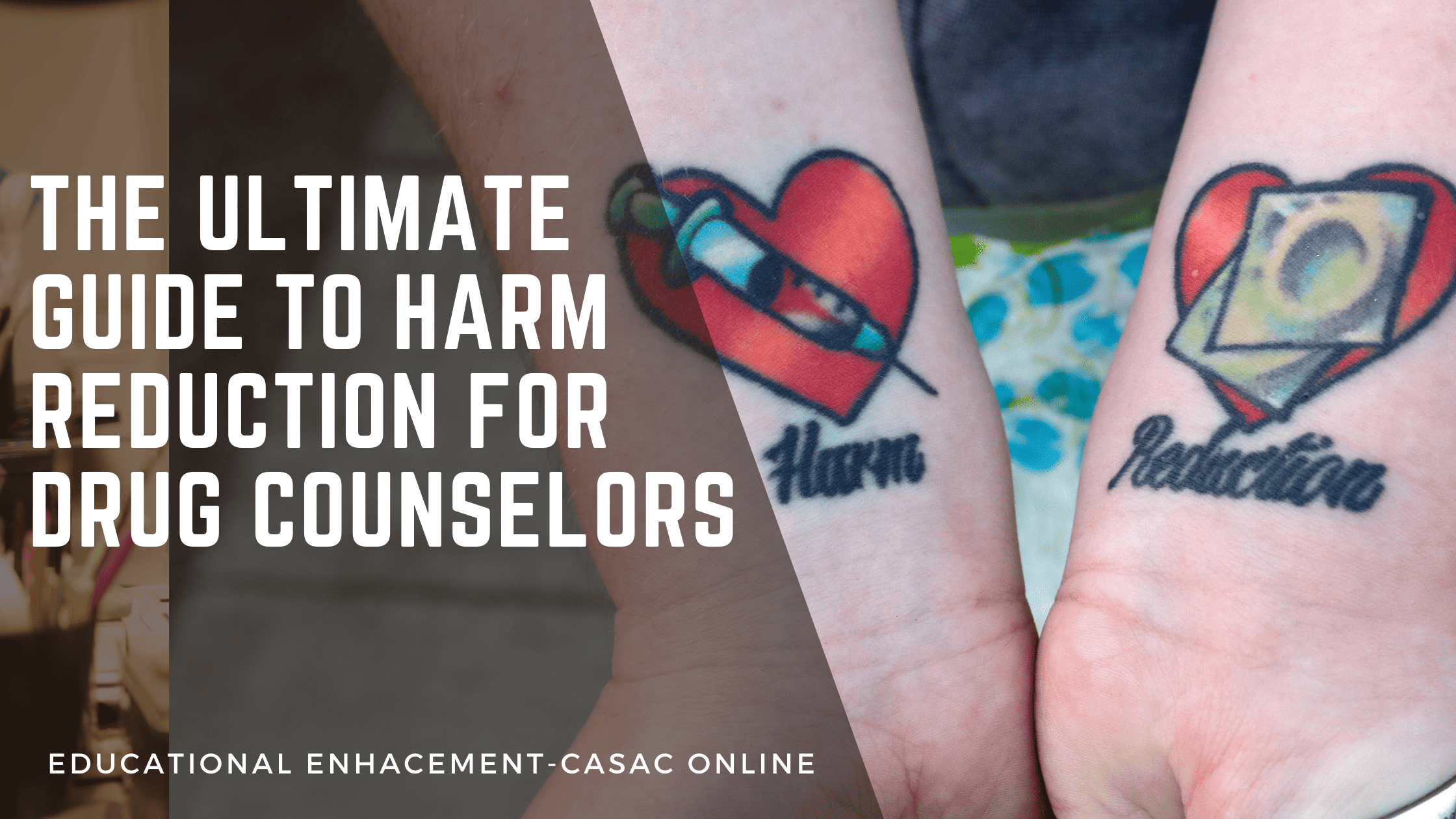
blog post banner for the blog: The Ultimate Guide to Harm Reduction for Drug Counselors<br />
. image of two tattoos harm and reduction.<br />

Image Source: ELAINE THOMPSON/AP

As a drug counselor, harm reduction is critical to helping individuals who use drugs.
Harm reduction strategies incorporate community-driven public health strategies to empower people who use drugs and their families to live healthy, self-directed, and purpose-filled lives.
This guide will cover the essential harm reduction aspects, including prevention, risk reduction, and health promotion, to help drug counselors understand and incorporate this approach with people with use disorders.
 

What is Harm Reduction?

Harm reduction is an umbrella term for interventions aimed at reducing the adverse effects of drug use. It encompasses a range of strategies that meet people where they are, on their terms, and may serve as a pathway to additional health and social services.

Harm reduction aims to reduce the risk of overdose, infectious disease transmission, and improve physical, mental, and social wellbeing while offering low-barrier options for accessing healthcare services, including substance use and mental health disorder treatment.

One of the key components of harm reduction is engaging directly with people who use drugs to prevent overdose and infectious disease transmission.

Harm reduction emphasizes the importance of providing non-judgmental support and meeting people where they are rather than focusing on abstinence as the only solution.

The Philosophy of Harm Reduction

The harm reduction philosophy is grounded in the idea that people who use drugs should be treated with compassion and respect.

The goal of harm reduction is to reduce the negative consequences of drug use rather than to eliminate drug use. This approach recognizes that drug use is a complex issue that cannot be solved by simply telling people to stop using drugs.

Harm reduction is based on the belief that drug users have the right to decide about their health and wellbeing. This means that harm reduction strategies are designed to empower people who use drugs to take control of their own lives and make informed decisions about their drug use.

 
An image of a the back of a t-shirt that reads harm reduction saves lives.

Principles of Harm Reduction

Harm reduction is rooted in pragmatism, which recognizes that substance use is inevitable in society and aims to minimize potential harm.

This approach also values humane values, respecting the dignity of people who use substances and recognizing individual choices.

Harm reduction focuses on the harms and potential risks of substance use rather than the use itself. It acknowledges that drug use is a complex, multi-faceted phenomenon encompassing a continuum of behaviors and that some ways of using drugs are safer than others.

The criteria for successful interventions and policies in harm reduction are the quality of individual and community life and well-being, not necessarily the cessation of all drug use.

Harm reduction also calls for the non-judgmental, non-coercive provision of services and resources to people who use drugs and their communities. It ensures that people who use drugs have an authentic voice in creating programs and policies designed to serve them.

Harm reduction affirms people who use drugs themselves as the primary agents of reducing the harms of their drug use. It seeks to empower them to share information and support each other in strategies that meet their actual conditions of use.

Moreover, it recognizes that social inequalities such as poverty, class, racism, social isolation, past trauma, sex-based discrimination, and other factors affect people’s vulnerability to and capacity to deal with drug-related harm effectively.

However, harm reduction does not attempt to minimize or ignore the actual and tragic harm and danger associated with illicit drug use.

Harm Reduction Strategies

Harm reduction strategies include a range of interventions to reduce the harms associated with drug use.

These strategies can be implemented at various levels, including

  • individual,
  • community, and
  • policy levels.

Individual level

At the individual level, harm reduction strategies focus on providing information and resources to individuals who use drugs to help them make safer choices. This may involve distributing clean needles and syringes to prevent the spreading of infectious diseases like HIV and hepatitis C or providing naloxone training and access to reverse opioid overdoses.

Community level

At the community level, harm reduction strategies aim to create a supportive environment for individuals who use drugs. This may involve establishing safe injection sites where people can use drugs under medical supervision or implementing needle exchange programs to reduce the risk of sharing needles.

Policy level

On a policy level, harm reduction advocates for evidence-based approaches prioritizing public health and safety over punitive measures. This may include decriminalizing drug possession and investing in treatment programs rather than incarceration.

On a policy level, advocating for evidence-based approaches is vital. Decriminalizing drug possession shifts the focus from punishment to public health and safety.

This approach recognizes that treating substance use as a criminal offense often perpetuates cycles of addiction and hinders access to necessary support services. Investing in treatment programs rather than incarceration promotes long-term recovery and reduces harm.

Let’s take a quick look at 

Harm Reduction strategies substance use counselors should familiarize themselves with:

Syringe Service Programs

Syringe Service programs provide access to clean needles and syringes for people who inject drugs. These programs help to reduce the spread of infectious diseases such as HIV and hepatitis C.

Additionally, needle exchange programs help minimize the risk of needle sharing by providing sterile needles and collecting used ones. These programs provide sterile needles and syringes, along with other harm reduction services such as education, counseling, and referrals to treatment. By offering a safe and hygienic environment, needle exchange programs help minimize the risks associated with injection drug use.

Medicated Supported Recovery

Medicated Supported Recovery is often called methadone maintenance or Buprenorphine treatment for opioid use. The treatment involves supporting an individual’s opioid use disorder with medications methadone or bupe to reduce withdrawal symptoms and cravings to use while simultaneously helping the client work through the reasons for substance use. This approach can help to reduce the harms associated with opioid use, including overdose and infectious disease transmission.

Safer Injection Sites

Safe injection sites, also known as supervised injection facilities, provide a controlled and hygienic environment for individuals to consume drugs under the supervision of healthcare professionals. Safe consumption sites offer sterile equipment, overdose prevention measures, and access to medical assistance if needed. Safe injection sites aim to reduce the harms associated with uncontrolled and risky injection practices by providing a safe space for drug use. Establishing safe injection sites can be a crucial harm reduction strategy at the community level. These sites offer a supervised environment where people can use drugs safely, reducing the risks of overdose and infections.

Moderation Management

The prevailing belief worldwide supports the idea that there are multiple pathways to recovery. However, it appears that the United States has, for some reason, shunned this notion.

Moderation management for substance use disorder is a harm reduction approach tailored towards individuals who do not display physical dependence on their substance of choice. Unlike abstinence-based treatment, moderation management acknowledges that each person’s relationship with their drug is unique. Not everyone who uses a substance has an addiction. We also know people don’t respond well to a one-size-fits-all approach. The moderation management approach aims to motivate individuals to reduce their consumption or give it up without requiring complete abstinence.

Moderation management lies in acknowledging human intricacies and providing a compassionate, adaptable approach to aid individuals in reclaiming control over their lives. Rather than imposing rigid expectations, this model offers understanding and support, promoting personal growth and sustainable change. Empowering people to develop healthier coping mechanisms and reduce harm can foster resilience and healing, illuminating a path towards brighter, more hopeful futures.

Education and Outreach Programs

Education plays a pivotal role in harm reduction efforts. Providing individuals who use heroin with accurate information on safer use practices, such as proper dosing, avoiding mixing substances, and reducing the risk of overdose, can contribute to minimizing harm and promoting individual well-being. Education should also address the availability of support services, treatment options, and resources for those seeking help.

Naloxone Distribution

Naloxone is a medication that can quickly reverse the effects of an opioid overdose, potentially saving someone’s life. By equipping individuals who use drugs with naloxone, counselors can empower them to respond effectively in emergencies. Naloxone distribution programs provide access to this life-saving medication for people who use drugs and their families.

Overdose prevention strategies encompass various interventions, including education on recognizing the signs of overdose and the distribution of naloxone. Naloxone is a life-saving medication that can reverse the effects of opioid overdose, including heroin. It blocks opioid receptors, restoring normal breathing and preventing fatal outcomes.

Naloxone distribution programs make this medication readily available to individuals at risk of overdose, their friends, families, and other bystanders. By empowering communities with naloxone, we can save lives and provide a crucial opportunity for individuals to seek further medical assistance and support.

Peer Support Programs

Peer support programs provide support and guidance to people who use drugs People often lead these programs with lived experience with drug use and can provide valuable insights and support.

Put your professional development and supercharge your learning journey with Educational Enhancement CASAC Online’s 6-hour

Harm Reduction Training.

Upon completion of this training, you will have learned the following:

  • Identify and define harm reduction, its history in the US, and the principles of its use
  • Learn effective strategies to work with people who use drugs 
  • Understand how drug use impacts access to services 
  • Gain knowledge of harm reduction strategies that promote open and non-judgmental communication when engaging people with:
    • Opiate use disorders
    • Cocaine use disorders
    • Alcohol use disorders
    • Methamphetamine use disorders
    • Nicotine use disorders

Educational Enhancement CASAC Online is an OASAS and NAADAC-approved education provider. Our substance use counselor renewal courses are 100% online…self-study, and self-paced.


Harm Reduction Strategies and Drug Counseling

Drug counselors must use these harm-reduction strategies to support their clients effectively. By incorporating harm reduction principles into their practice, counselors can help individuals who use drugs reduce the risks associated with their substance use while respecting their autonomy and dignity.

Drug counselors play a crucial role in supporting individuals who use drugs by embracing

 principles and incorporating these strategies into their practice. They promote health education, reduce risks associated with substance use, and well-being over punitive measures. Contribute to creating a more compassionate and inclusive society that prioritizes individuals.

Harm reduction is essential for drug counselors to adopt to serve better individuals who use drugs. Counselors can improve their clients’ health outcomes and overall well-being by understanding the philosophy and principles of harm reduction and implementing evidence-based strategies at various levels.

Harm reduction strategies can provide a range of benefits for people who use drugs, including:

Reduced Risk of Overdose

Harm reduction strategies such as naloxone distribution and safer injection sites can help to reduce the risk of overdose.

Improved Access to Health Care

Harm reduction strategies can help to improve access to health care services, including substance use and mental health disorder treatment.

Reduced Risk of Infectious Disease Transmission

Harm reduction strategies such as needle and syringe programs and safe injection sites can help to reduce the risk of infectious disease transmission.

Increased Safety

Harm reduction strategies such as safer injection sites provide a safe and hygienic environment for people to inject drugs, reducing the risk of injury and infection.

How to Incorporate Harm Reduction Into Substance Use Counseling

Incorporating harm reduction into substance use counseling is crucial for providing practical support and reducing the risks associated with drug use. Harm reduction is an evidence-based approach that focuses on engaging individuals who use drugs, equipping them with life-saving tools and information, and empowering them to make positive life changes.

Some tips for incorporating harm reduction into your practice include:

Provide Non-Judgmental Support

Providing non-judgmental support is crucial when working with people who use drugs. This means recognizing that drug use is a complex issue and that people who use drugs have the right to make their own decisions about their health and wellbeing. A non-Judgmental and Client-centered approach means adopting a compassionate and non-judgmental stance toward drug users. Create a safe and supportive environment where clients feel comfortable discussing their substance use openly. Influenced by various factors and avoiding stigmatizing language or attitudes.

Educate Clients on Safer Use Practices

One of the key components of harm reduction is educating individuals on safer drug use practices. By providing information on harm reduction strategies such as proper needle hygiene, using sterile equipment, and practicing safe sex, counselors can help reduce the risks associated with drug use. It’s important to emphasize that while abstinence may be an ideal goal for some clients, harm reduction focuses on meeting individuals where they are and helping them make incremental changes to improve their health and well-being.

Collaborate with Community Partners

Drug counselors should actively collaborate with community partners to enhance harm reduction efforts. This can include working closely with local health departments, syringe exchange programs, outreach teams, and other organizations that provide services to individuals who use drugs. By building strong networks and partnerships within the community, counselors can ensure that their clients can access comprehensive support services beyond individual counseling sessions.

Connect People with Resources

Connecting people with resources such as needle and syringe programs, opioid substitution therapy, and peer support programs can help improve outcomes for drug users.

Continued Professional Development

Staying up-to-date with the latest research and best practices in harm reduction is crucial for drug counselors. Continuing education opportunities, attending conferences or workshops, and participating in supervision or consultation groups can enhance counselors’ knowledge and skills in implementing harm reduction strategies effectively. By investing in professional development, counselors can provide high-quality care that aligns with current evidence-based approaches.

Incorporating harm reduction into substance use counseling is vital to effectively supporting individuals who use drugs. By providing non-judgmental support, educating clients on safer use practices, collaborating with community partners, and engaging in continued professional development, drug counselors can play a crucial role in reducing the harm associated with substance use and promoting better overall outcomes for their clients.

Meet People Where They Are

Meeting people where they are is a key component of harm reduction. This means recognizing that people who use drugs may not be ready or willing to stop using them altogether and providing support that meets their needs.

Provide Information About Harm Reduction Strategies

Information about harm reduction strategies can help empower people who use drugs to make informed decisions about their health and wellbeing. This may include providing information about naloxone distribution, safer injection sites, and other harm-reduction strategies.

Conclusion

In conclusion, incorporating harm reduction strategies into drug counseling is paramount for supporting individuals who use drugs compassionately and effectively. By embracing harm reduction principles, drug counselors can prioritize the health and well-being of their clients while respecting their autonomy and dignity.

Harm reduction recognizes that individuals may continue to use drugs despite potential risks and aims to minimize harm rather than focusing solely on abstinence. Drug counselors promote harm reduction by educating on safer drug use practices, such as needle exchange programs, naloxone distribution, and overdose prevention strategies.

By adopting a non-judgmental and client-centered approach, counselors can create a safe and supportive environment where individuals feel comfortable discussing their substance use. It is essential to provide evidence-based information, empower clients to make informed decisions about their substance use, and offer resources to reduce drug use risks.

Subscribe to Our Newsletter

Please share this post with your friends, family, colleagues, and social networks. 

6 Essential Drug Counselor Skills Every Clinician Needs for Effective Addiction Treatment

6 Essential Drug Counselor Skills Every Clinician Needs for Effective Addiction Treatment

This is the main blog image for the blog post: 6 Essential Drug Counselor Skills Every Clinicians Needs for Effective Addiction Treatment.

6 Essential Skills Every Drug Counselor Should Master for Effective Addiction Treatment

Addressing the complexity of drug addiction necessitates specialized assistance and support. In this regard, drug counselors are pivotal in guiding individuals battling addiction toward their path to recovery.

To achieve effectiveness in this capacity, drug counselors must possess distinctive skills and qualities that enable them to establish connections, offer guidance, and inspire positive transformation.

This article closely examines six indispensable skills every drug counselor should master to facilitate effective addiction treatment.

Essential Drug Counselor Skill #1: Empathy and Active Listening:


Essential skills of drug Quote from Carl Rogers about addiction counseling skills: empathy and active listening.

Among the paramount skills for a drug counselor lies empathy, which encompasses the ability to comprehend and empathize with another individual’s emotions.

By exercising empathy, counselors create an environment devoid of judgment, fostering a safe space where clients feel comprehended and supported.

Cultivating empathy enables establishing trust and rapport, vital aspects of effective counseling. Closely intertwined with empathy is active listening, which entails wholeheartedly attending to and understanding the client’s words.

Active listening necessitates undivided attention, sustained eye contact, and the utilization of verbal and non-verbal cues that denote engagement.

Active listening equips counselors with a profound understanding of their client’s experiences, enabling them to tailor treatment approaches accordingly.

Reflective listening, paraphrasing, and summarizing effectively signify to clients that their counselor genuinely hears and comprehends them, thus fostering a robust therapeutic alliance.

Essential Drug Counselor Skill #2: Assessment and Treatment Planning

Thorough assessment and personalized treatment planning constitute pivotal components of effective drug counseling.

Assessments enable counselors to holistically comprehend clients’ substance abuse history, co-occurring mental health concerns, and personal circumstances.

This comprehensive information is instrumental in formulating a treatment plan that effectively addresses each client’s distinct needs and aspirations. Employing various tools such as interviews, questionnaires, and standardized assessments, counselors collaborate with other healthcare professionals to garner additional insights, ensuring a holistic treatment approach.

Armed with the acquired assessment data, counselors design a tailored treatment plan that delineates specific goals, interventions, and strategies underpinning the counseling process.

Regular reassessment and treatment plan adjustment are crucial to ensure its efficacy as clients progress along their recovery journey.

Essential Drug Counselor Skill #3: Motivational Interviewing

Essential drug counselor skill # 3: motivational interviewing

Motivational interviewing is an essential drug counseling skill that empowers clients to discover their motivation for change.

This collaborative and client-centered approach guides individuals toward exploring their ambivalence and nurturing internal motivation for positive transformations.

Employing open-ended questions, reflective listening, and affirmations, counselors facilitate the client’s journey of self-discovery and self-motivation.

The primary objective is to elicit and reinforce the client’s intrinsic reasons for change rather than imposing external motivations. By honing the art of motivational interviewing, drug counselors adeptly engage clients in treatment, augment their catalyst for change, and enhance treatment outcomes.

This approach proves particularly valuable when working with initially resistant clients or those uncertain about their readiness for treatment.

Essential Drug Counselor Skill #4: Recurrence of Symptoms

Previously, the essential drug counselor skill, Recurrence of Symptoms, was referred to as relapse prevention, and it still is in most of the literature and treatment programs today.

Recurrence of Symptoms poses a pervasive challenge in addiction recovery, prompting drug counselors to play a pivotal role in aiding clients’ efforts to prevent relapse. Recurrence of Symptoms entails equipping clients with the requisite skills and strategies to sustain sobriety and effectively cope with triggers and temptations.

Collaborating with clients, counselors assist in formulating relapse prevention plans that identify high-risk situations, warning signs, and coping mechanisms.

These plans encompass cultivating a support network conducive to sobriety, practicing self-care, engaging in healthy activities, and formulating crisis management strategies.

In addition to providing clients with practical tools, counselors delve into the underlying causes of addiction and facilitate the development of healthier coping mechanisms.

By addressing addiction’s root causes and providing consistent support, counselors significantly reduce the risk of recurrence of symptoms, thereby supporting clients in achieving long-term recovery.

Reoccurrence of use is not a sign of failure.

Relapse prevention is crucial to addiction treatment, but the term stigmatizes people with use disorders (PWUD). This is because relapse prevention can be seen as a sign of weakness or failure, making PWUDs feel like they are not in control of their recovery. 

According to the CDC, reoccurrence of use can occur among individuals who have previously used drugs, even after a prolonged period of abstinence. Such instances of reoccurrence of use often signal the need for further treatment or a different approach. It becomes crucial to comprehensively reassess one’s treatment plan to ascertain whether an alternative method might yield better results.


Are you already working in the substance use counseling field?

If so, our Recurrence of Symptoms training is perfect for you.

Our Recurrence of Symptoms training will enable you to:

  • prepare your clients with evidenced-based prevention strategies,
  • arm them with tools to avoid risky situations, and
  • motivate them to dispute negative self-talk, and
  • engage them to build positive peer connections in their community.

Enhance your essential drug counseling skills and register today for Recurrence of Symptoms.

When you complete it, you will receive a certificate worth 15 OASAS or NAADAC-approved education renewal hours.

Essential Drug Counselor Skill #5: Cultural Competence

Cultural competence is an essential skill for drug counselors serving diverse populations.

It entails comprehending and respecting clients’ cultural backgrounds, beliefs, and values, thereby adapting counseling approaches to ensure relevance and effectiveness.

To cultivate cultural competence, counselors engage in self-education concerning various cultures, seek supervision or consultation from experts in cultural diversity, and engage in continuous self-reflection and self-awareness.

Identifying and challenging personal biases and assumptions is imperative in delivering culturally sensitive and appropriate care.

Through the cultivation of cultural competence, counselors establish trust with clients from diverse backgrounds, ensuring that treatment plans respect their unique experiences and requirements.

This drug counseling skill is significant in promoting inclusivity and reducing disparities in addiction treatment.

Essential Drug Counselor Skill #6: Self-Care for Counselors

This essential drug counseling skill prioritizes personal well-being and professional longevity.

It holds the utmost importance for drug counselors, considering the emotionally demanding nature of their work.

Implementing self-care strategies becomes essential to maintain effectiveness and prevent burnout.

Counselors can engage in various activities and practices to facilitate self-care, including the following:

  • pursuing hobbies,
  • practicing mindfulness or meditation,
  • seeking support from colleagues or supervisors,
  • establishing boundaries between work and personal life, and
  • attending to their physical and emotional needs.

By prioritizing self-care, counselors effectively manage stress, cultivate a healthy work-life balance, and continue providing high-quality care to their clients. Self-care not only benefits the well-being of counselors but also enhances the therapeutic relationship with clients.

Cultivating self-awareness is an initial stride toward embracing realistic and wholesome life decisions. Dedication to self-assessment is vital for nurturing holistic well-being.


this is an image for the essential drug counseling skill self-care- the words on the image are from the blog post: Cultivating self-awareness is an initial stride toward embracing realistic and wholesome life decisions.<br />
Dedication to self-assessment is vital for nurturing holistic well-being.

Wrapping it Up

Becoming a proficient drug counselor necessitates mastering unique drug counseling skills and qualities that facilitate effective substance use treatment.

Cultivating empathy and active listening skills enables counselors to establish trust and rapport with clients.

We ensure that clients receive tailored care through thorough assessment and individualized treatment planning.

Mastery of motivational interviewing techniques empowers clients to uncover their intrinsic motivation for change.

Recurrence of symptoms or strategies to help clients avoid returning to active substance use equip them with tools to maintain sobriety.

Cultural competence fosters inclusivity and reduces disparities in treatment.

Lastly, self-care is paramount in safeguarding counselors’ well-being and professional longevity.

Drug counselors make a profound difference in the lives of individuals grappling with addiction. We foster lasting recovery and brighter futures for our clients when we continually hone these skills and qualities.

Staying informed about addiction counseling trends and maintaining a passion for helping others are valuable tips for success in this field.

Educational Enhancement CASAC Online offers flexible and affordable online and in-class programs, providing a high-quality education and a supportive community.


Subscribe to Our Newsletter

Please share this post with your friends, family, colleagues, and social networks. 

Prioritizing Addiction Counselor Wellness: Essential Tips for Self-Care and Professional Success

Prioritizing Addiction Counselor Wellness: Essential Tips for Self-Care and Professional Success

Thumbnail for the blog post: Prioritizing Addiction Counselor Wellness: Essential Tips for Self-Care and Professional Success

Addiction counselor wellness is crucial to your CASAC  performance, CASAC training, and personal and professional development.


Imagine a counselor who tirelessly helps others overcome addiction but neglects their well-being.


The result? Burnout, compassion fatigue, and diminished effectiveness. It’s clear that counselor wellness is not a luxury; it’s a necessity.


Are you prioritizing your well-being while supporting others on their journey to recovery?
 

Discover how counselor wellness plays a crucial role in effective addiction counseling.


In this blog post, we’ll delve into the significance of self-care, its direct impact on your professional performance, and provide actionable tips for maintaining your well-being. Don’t neglect yourself as you empower others – learn how to thrive as an OASAS-certified drug counselor.


The Importance of Counselor Wellness

It’s crucial to recognize that addiction counseling can be emotionally demanding, as counselors witness their clients’ struggles and pain.

If counselors neglect their self-care, it can eventually lead to burnout, emotional exhaustion, and decreased effectiveness in their work.

By prioritizing their wellness, addiction counselors can ensure they operate at their best.

Taking care of themselves allows counselors to recharge, replenish their energy, and maintain a healthy mindset.

This, in turn, translates into enhanced empathetic connections with clients.

When counselors are in a good place mentally and emotionally, they can provide more sustainable and impactful support to those in need.

Investing in counselor wellness is a personal responsibility and a professional necessity.

Organizations and institutions should recognize the importance of creating a supportive environment that encourages and facilitates self-care practices for addiction counselors.

By fostering a culture of wellness, institutions can help counselors thrive in their roles and ultimately benefit the clients they serve.

Remember, counselor wellness is not a luxury but an essential aspect of effective addiction counseling.

By prioritizing self-care and maintaining their own well-being, addiction counselors can continue making a positive difference in their clients’ lives and contribute to their counseling practice’s overall success.


Maintaining Counselor Wellness and Emotional Well-being

The serenity and healing power of nature allow you to replenish your mind, body, and spirit. Counselor wellness is about making the time to pamper your needs and re-connect with yourself, so you can provide the best client care. 

1. Self-Care

Addiction counselors should actively engage in self-care practices that rejuvenate their minds and body. This may include exercise, mindfulness activities, hobbies, and healthy work-life balance. Self-care allows counselors to recharge, prevent burnout, and maintain emotional resilience.

2. Supervision and Peer Support

Regular supervision sessions with experienced professionals provide a safe space for counselors to reflect on their work, discuss challenging cases, and seek guidance. Peer support groups, such as those offered by professional associations like the American Counseling Association and NAADAC, enable counselors to connect with colleagues facing similar challenges, fostering a sense of community and providing invaluable support.

3. Emotional Self-Awareness

Recognizing and addressing one’s emotional well-being is crucial. Counselors should regularly assess their emotional state, self-reflect, and seek therapy if needed. This practice ensures they are in a healthy space to provide effective support to clients.

4. Continuing Education and Professional Development

Addiction counselors should stay current with the latest research, treatment modalities, and best practices through ongoing professional development. Attend workshops, conferences, and training sessions to enhance clinical skills and expand knowledge, keeping up with advancements in the field.

Put your professional development and counselor wellness first with Educational Enhancement CASAC Online’s extensive drug counselor training courses.

Educational Enhancement CASAC Online is an OASAS and NAADAC-approved education provider. Our substance use counselor renewal courses are 100% online…self-study and self-paced. 

Check out our extensive course listing by clicking the button below Bookmark the page and then head back to finish this vital post regarding counselor wellness.

The Impact of Counselor Wellness on Client Outcomes

When counselors prioritize their well-being, it positively impacts client outcomes.

By practicing self-care, addiction counselors can offer

  • sustained support,
  • maintain healthy boundaries, and
  • prevent burnout.

This allows for long-term relationships with clients, fostering trust and promoting recovery.

Moreover, emotionally balanced and self-aware counselors are better equipped to

  • handle challenging situations,
  • adapt to clients’ needs, and
  • provide empathetic and client-centered care.

Organizations and resources to support  your counselor wellness efforts

Several organizations offer help and support to addiction counselor wellness.

1. The Substance Abuse and Mental Health Services Administration (SAMHSA) provides valuable guidelines and resources on counselor self-care.

2. The American Counseling Association (ACA) and NAADAC offer professional development opportunities, supervision guidelines, and peer support networks.

3. The Office of Addiction Services and Supports (OASAS) offers specific resources and training to addiction counselors in New York State.

4. Educational Enhancement CASAC Online offers several OASAS and NAADAC-approved certificate programs. You can take this training to stay physically and mentally alert and fit while doing your job and gain credentialing clock hours toward your next OASAS or NAADAC certificate renewal.

Here are two of the trainings we provide that directly relate to counselor wellness:

1. Counselor Wellness

2. Professional Development


Wrapping it Up

In conclusion, the importance of counselor wellness cannot be overstated in addiction counseling. This blog post has emphasized that counselor wellness is not an option but a vital aspect of providing practical support to individuals struggling with substance use disorders.

By prioritizing their well-being, addiction counselors can enhance their professional performance, maintain sustainable client support, and foster empathetic connections.

The key takeaways from this article are clear:

1. Addiction counselors must practice self-care to prevent burnout and compassion fatigue.

2. Supervision and peer support offer valuable outlets for reflection and guidance.

3. Ongoing professional development ensures counselors stay abreast of advancements in the field.

4. Emotional self-awareness is crucial for maintaining balance and seeking necessary support.

When addiction counselors prioritize their wellness, they are better equipped to impact client outcomes positively.

Remember, as addiction counselors, your role is to support individuals on their journey to recovery.

You ensure you are equipped to provide the highest level of care and support by caring for your well-being.

Together, let’s create a community of resilient and effective addiction counselors who make a difference in the lives of those struggling with substance use disorders.

 You can offer the best support and effective addiction recovery care by staying abreast and self-aware of your physical, mental, and emotional needs.  

Subscribe to Our Newsletter

Stay up-to-date with changes in the addiction recovery field, new illicit drug trends, treatment modalities, and new addiction counselor training opportunities.

Please share this post with your friends, family, colleagues, and social networks. 

Self-Care Blueprint for Drug Counselors (35-page Counselor Wellness Workbook)

Rediscover Your Strength: The Self-Care Workbook for Recovery and Wellness

This Burnout Prevention Guide was thoughtfully designed for addiction counselors, therapists, sponsors, and anyone navigating recovery. It helps you build resilience, foster self-compassion, and cultivate lasting emotional balance.
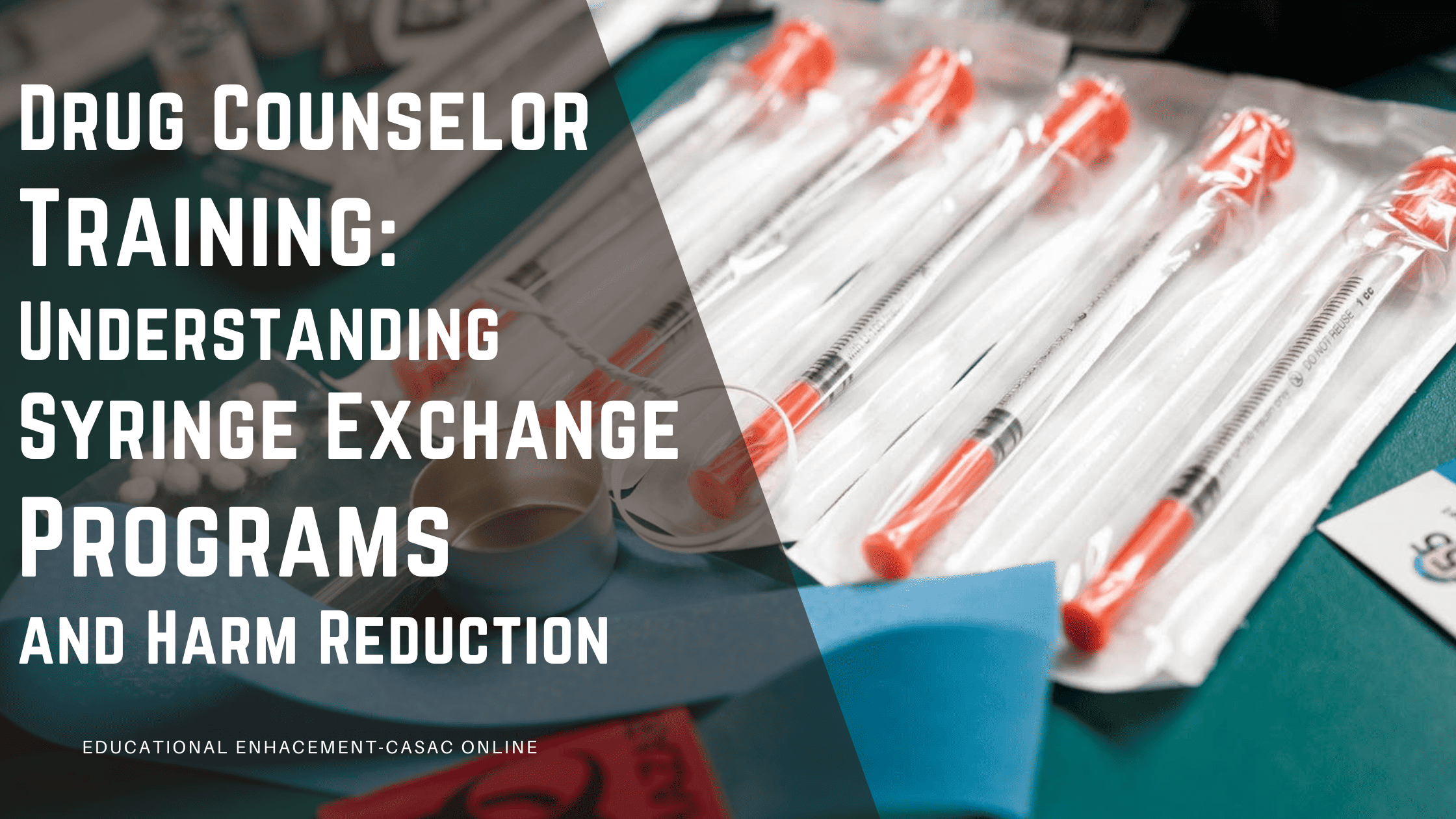
Take the First Step Toward Wellness

Your emotional well-being matters. Don’t wait for burnout or overwhelm to take control. Whether you’re rebuilding your strength or supporting others, the Self-Care Workbook will guide you toward a more balanced and empowered life.

👉 Start Your Journey Today! Click below to get your copy and take charge of your self-care.

Buy the Self-Care Workbook Now

Pin It on Pinterest